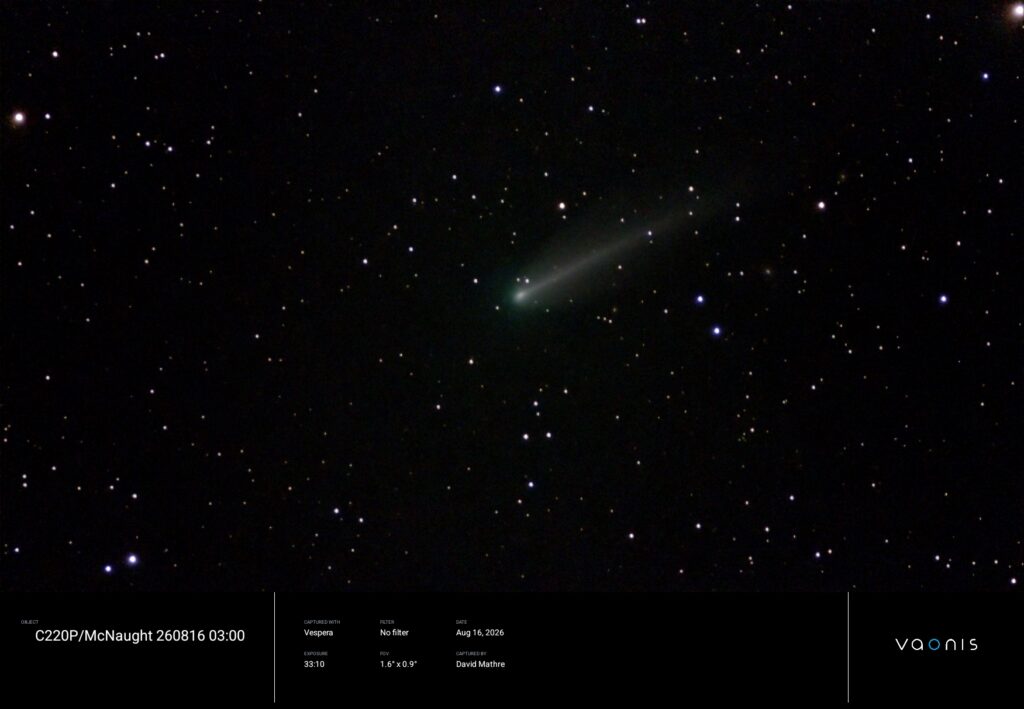
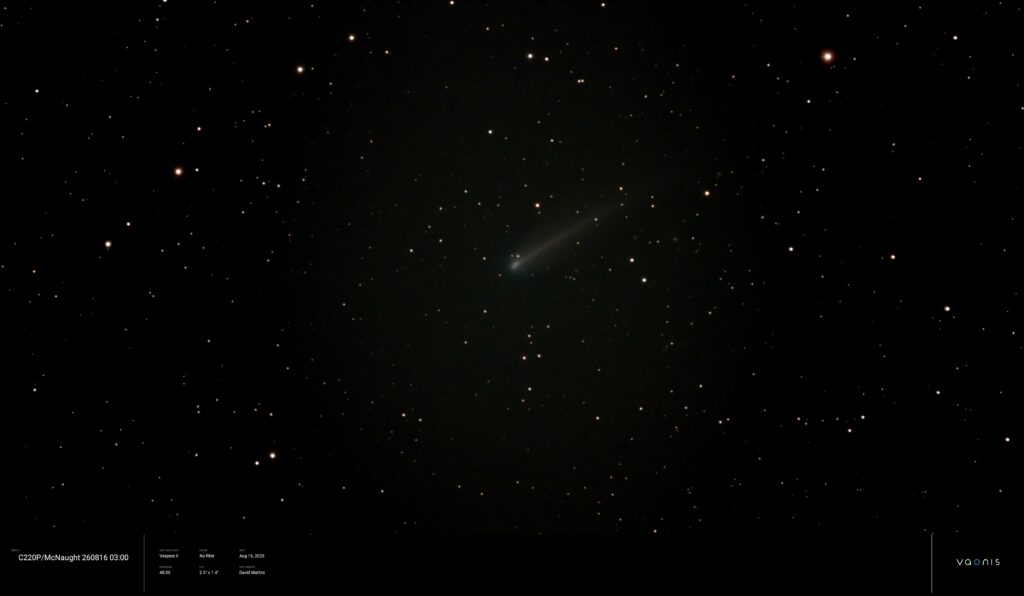
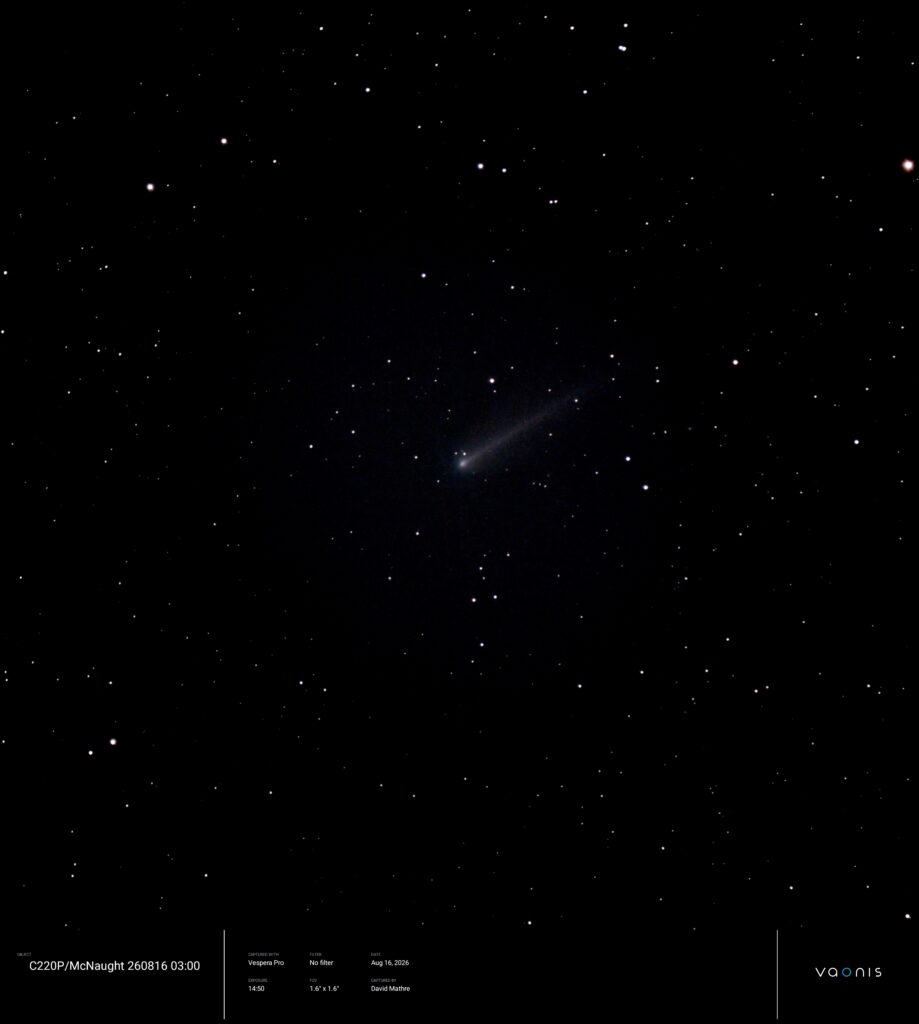
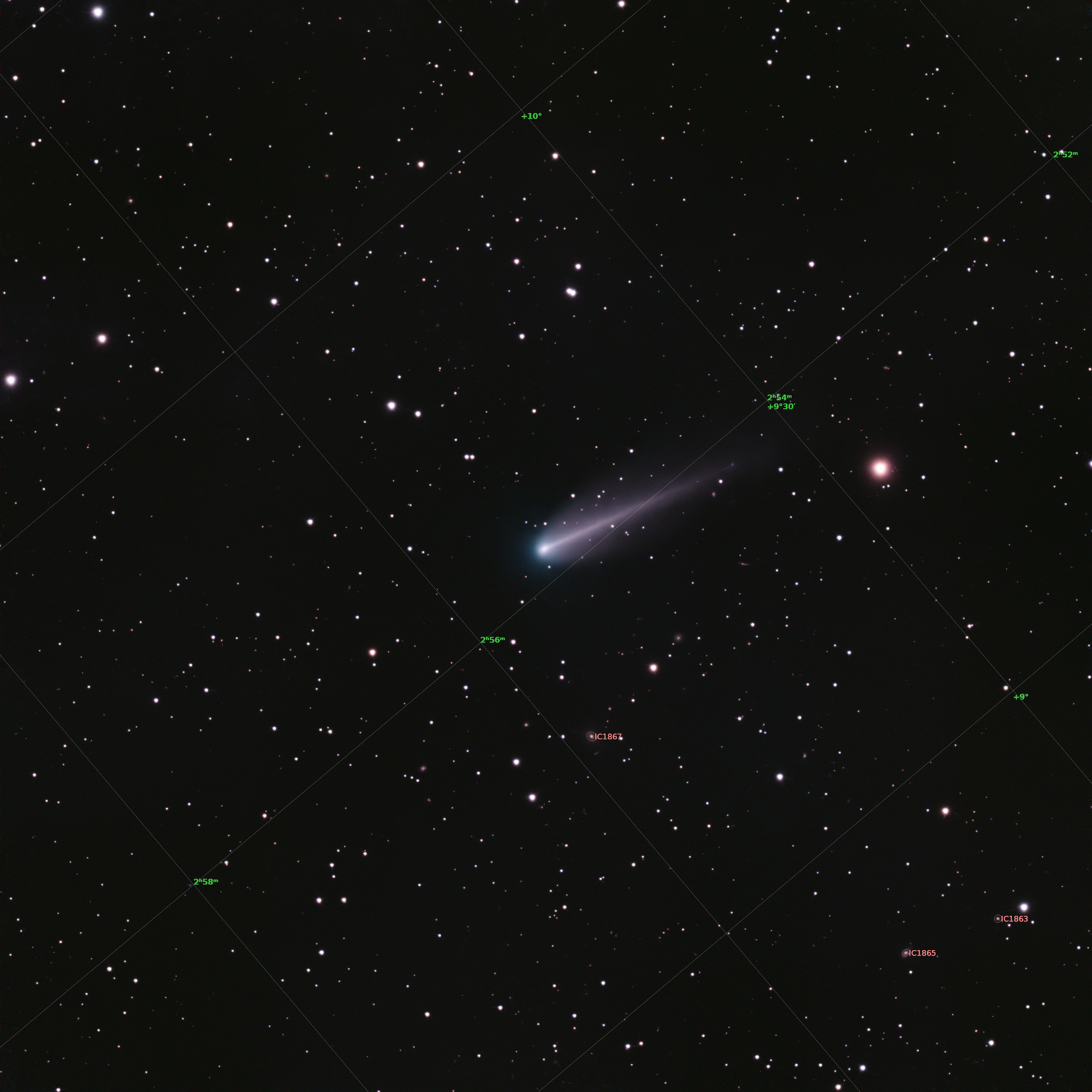
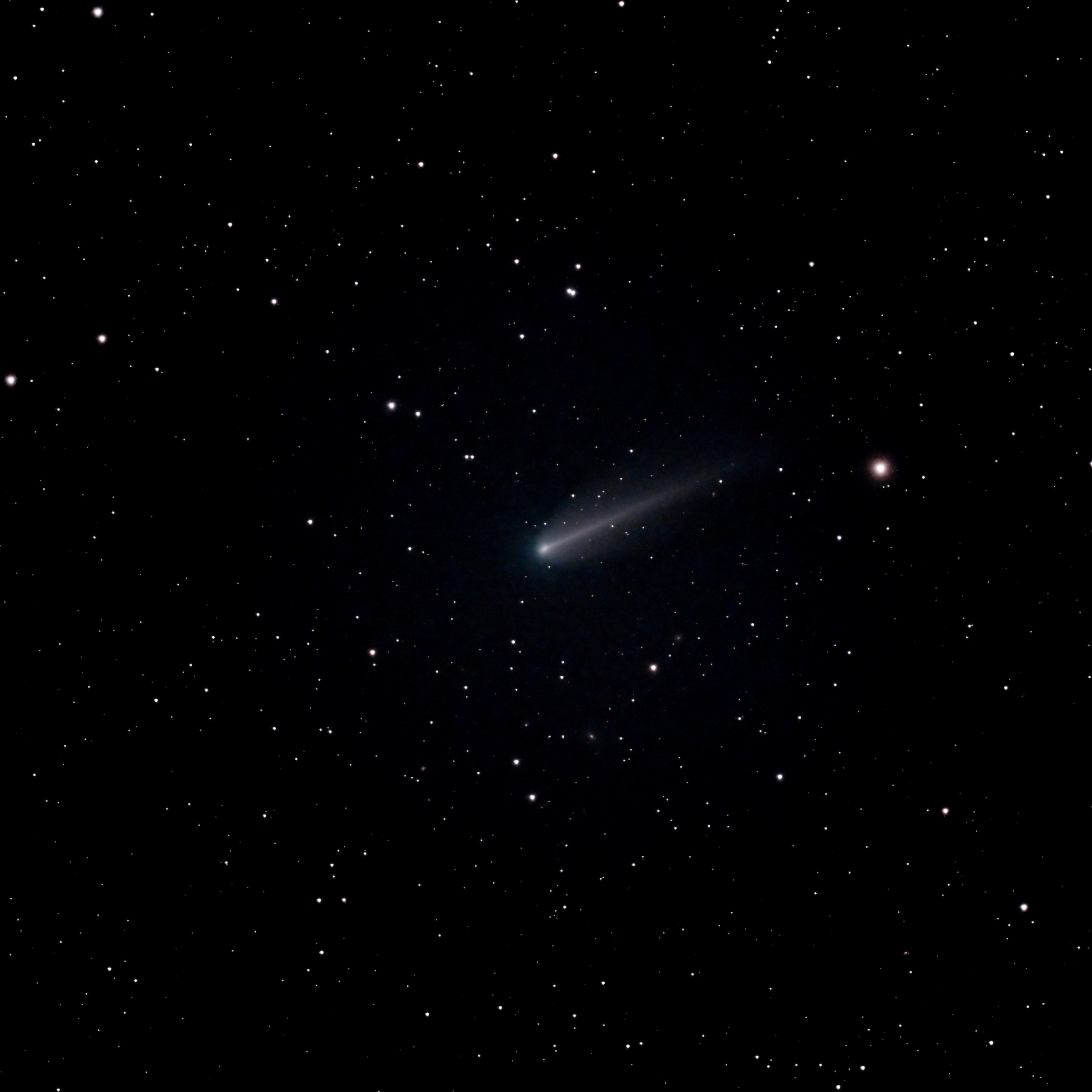
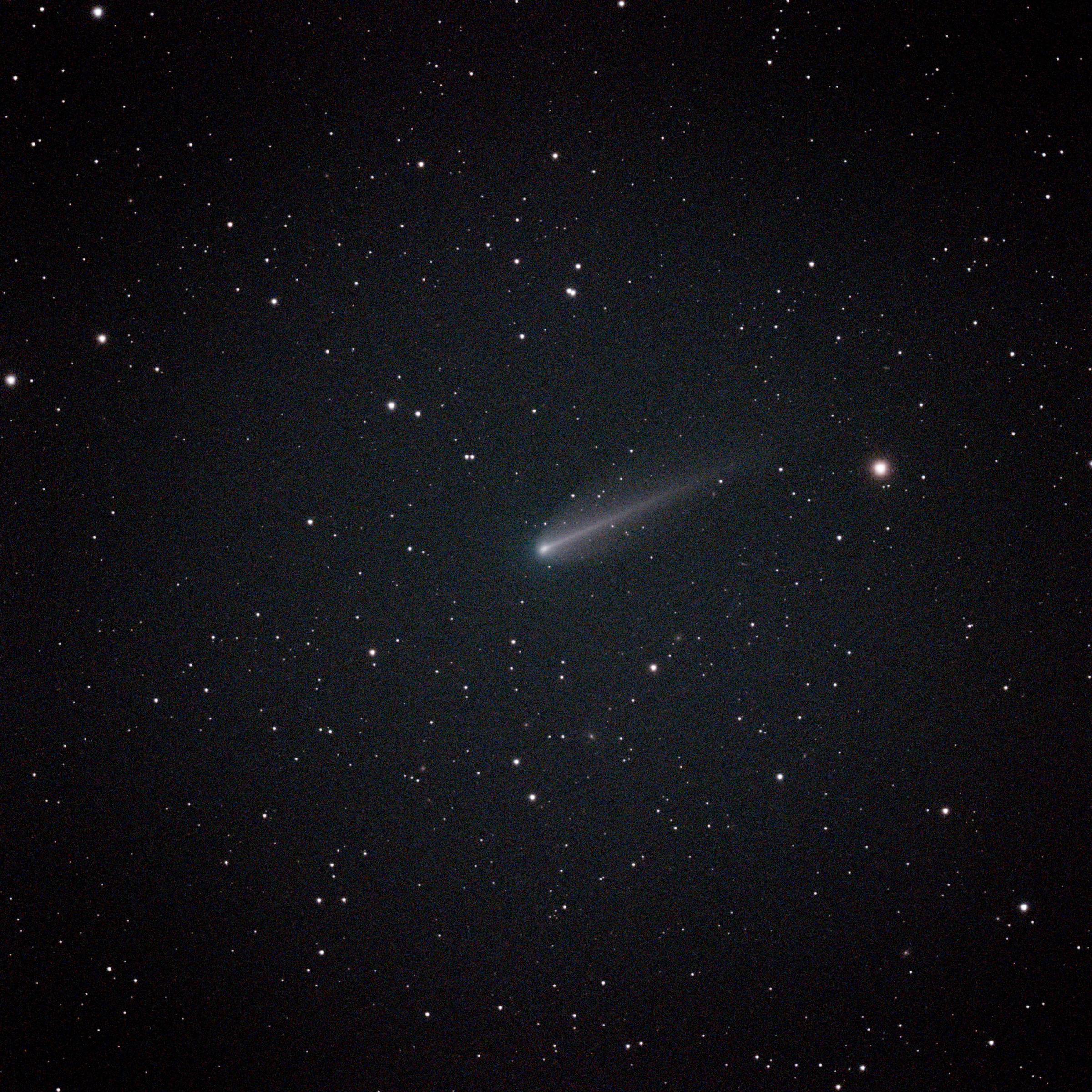
Comet 220P/McNaught had a 2nd outburst and brightened ca. 600 fold on 05-August. I had to wait a few days until it was clear early in the morning to observe the comet using my Vaonis Vespera telescopes. I used Stellarium to find the RA/Dec coordinates (02h 56m 58s; +09° 31′ 52″) for the comet and programed the coordinates into the Singularity application as manual targets. The images were processed using the Singularity Sky Color Studio application. The tail of the comet is longer than it was on 10-August.
After several cloudy and rainy days and nights, the ClearNightSky forecast looked good. I set up my Vespera telescopes to observe comet C220P/McNaught. I updated the comet coordinates (RA/Dec 02h 55m 24s, +09° 32′ 29″) as manual targets. Then set up overnight plans in Singularity for the Vespera telescopes to observe several other targets prior to comet 220P/McNaught. The first comet observation started at 03:00 then repeated every 20-30 minutes.
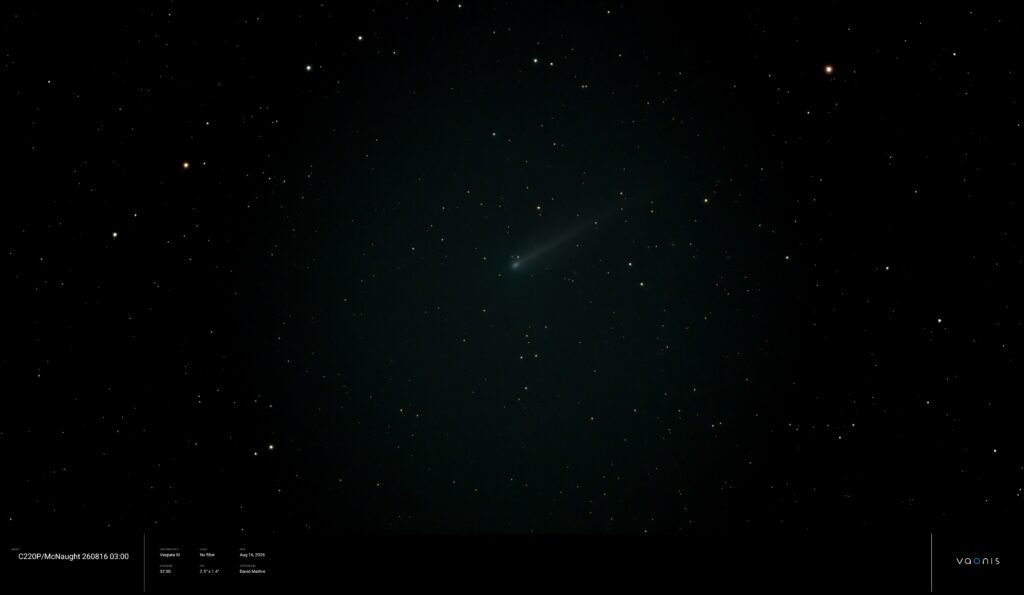
All of the telescopes were able to find and make several observations of the comet. The comet has a longer tail than it did on 10-August. It is brighter than the obsevations on 11-August, but the viewing conditions were not good that night.
The images below are not cropped. The images are processed with PixInsight or Sky Color Studio, and the straight out of the telescope (SOOT) 8-bit JPG reference. The 16-bit RAW/TIFF and cropped versions of the observation images are available on my PhotoShelter site.
Vespera 1
Comet 220P/McNaught viewed from my backyard with a Vespera 1 Telescope. Composite of 96 exposures (960 sec). Image processed with PixInsight (added astro grid). FOV 1.6° x 0.9°Comet 220P/McNaught viewed from my backyard with a Vespera 1 Telescope. Composite of 96 exposures (960 sec). Straight out of the telescope image. FOV 1.6° x 0.9°
Vespera 2
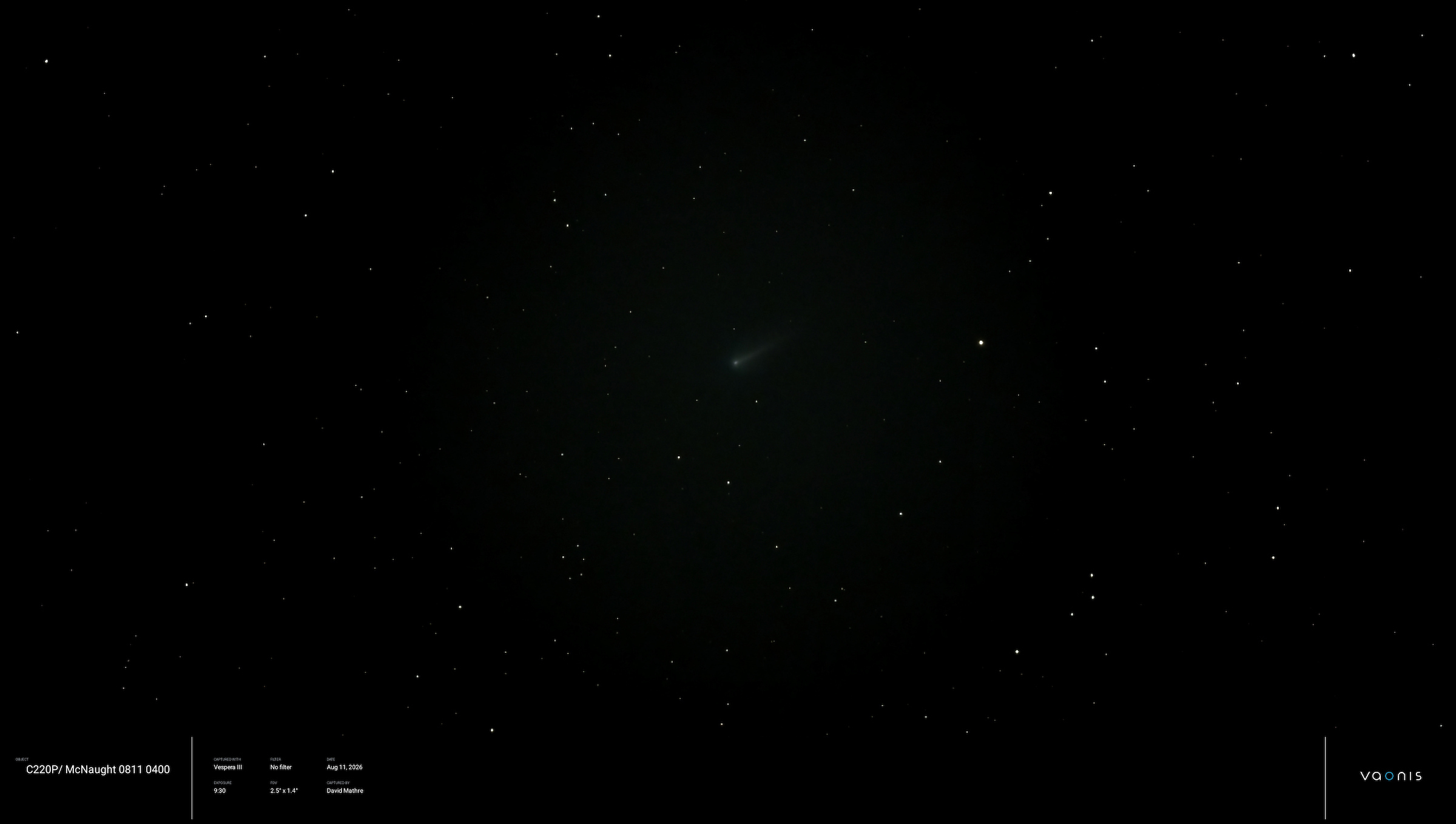
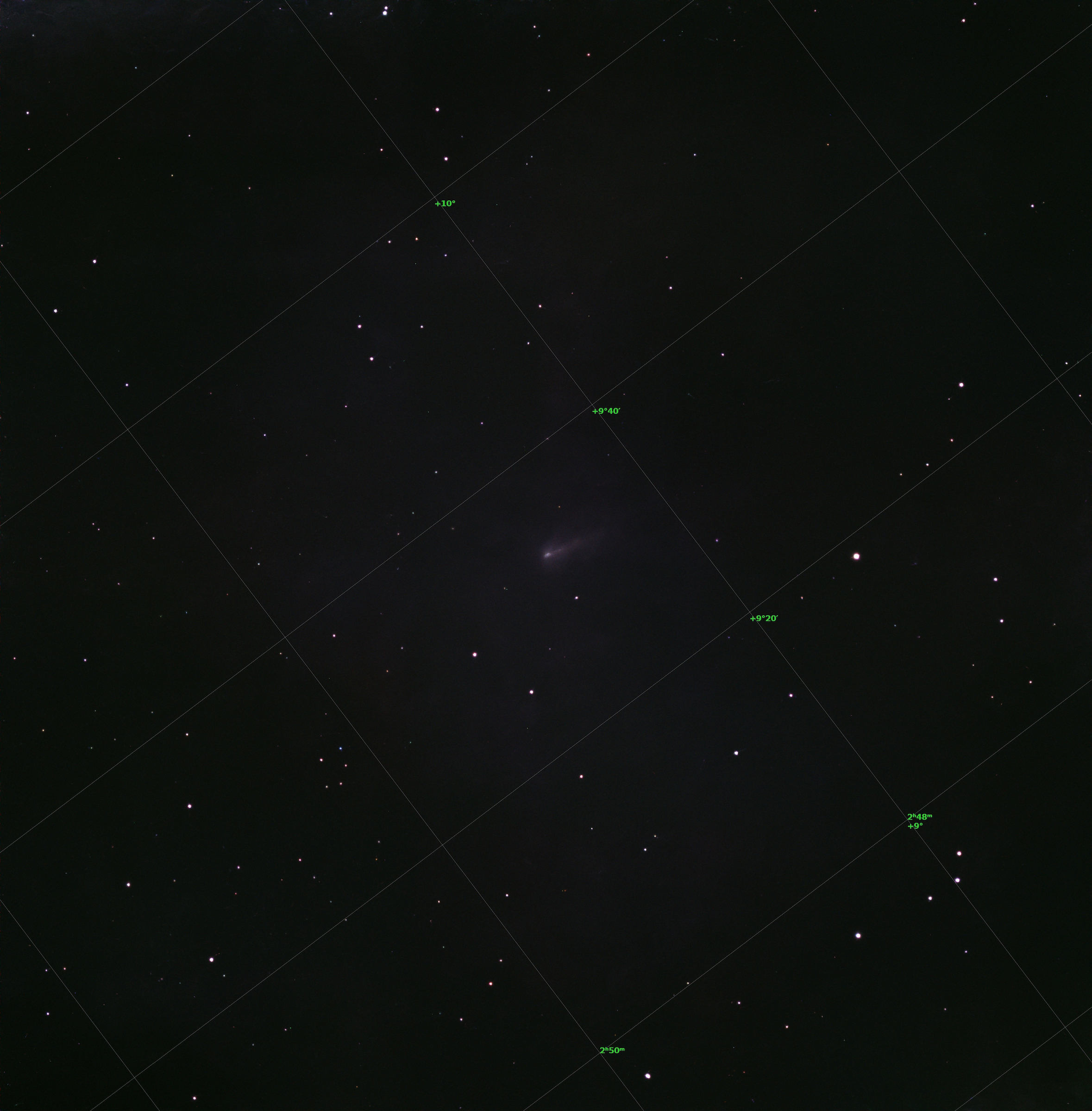
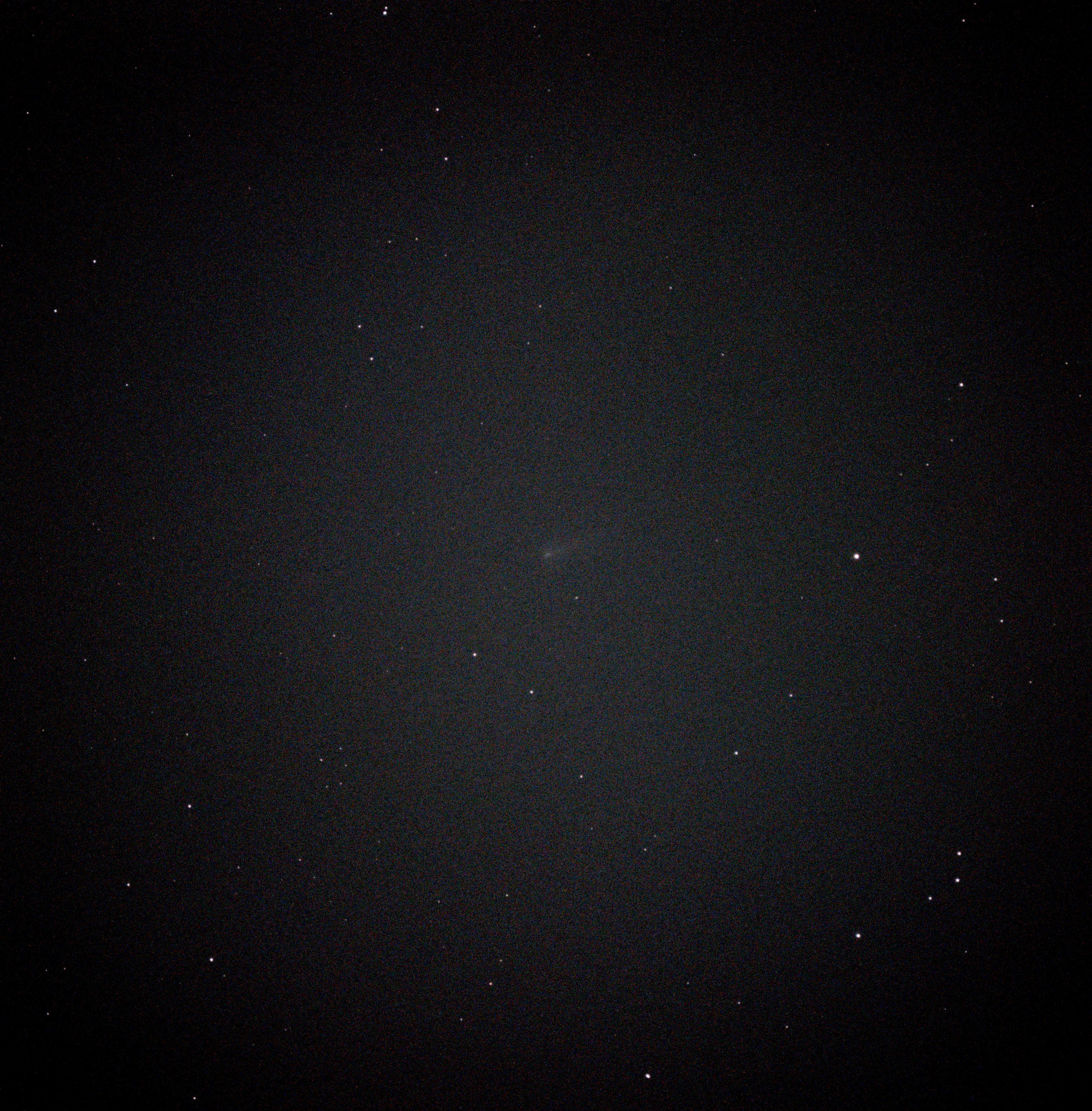
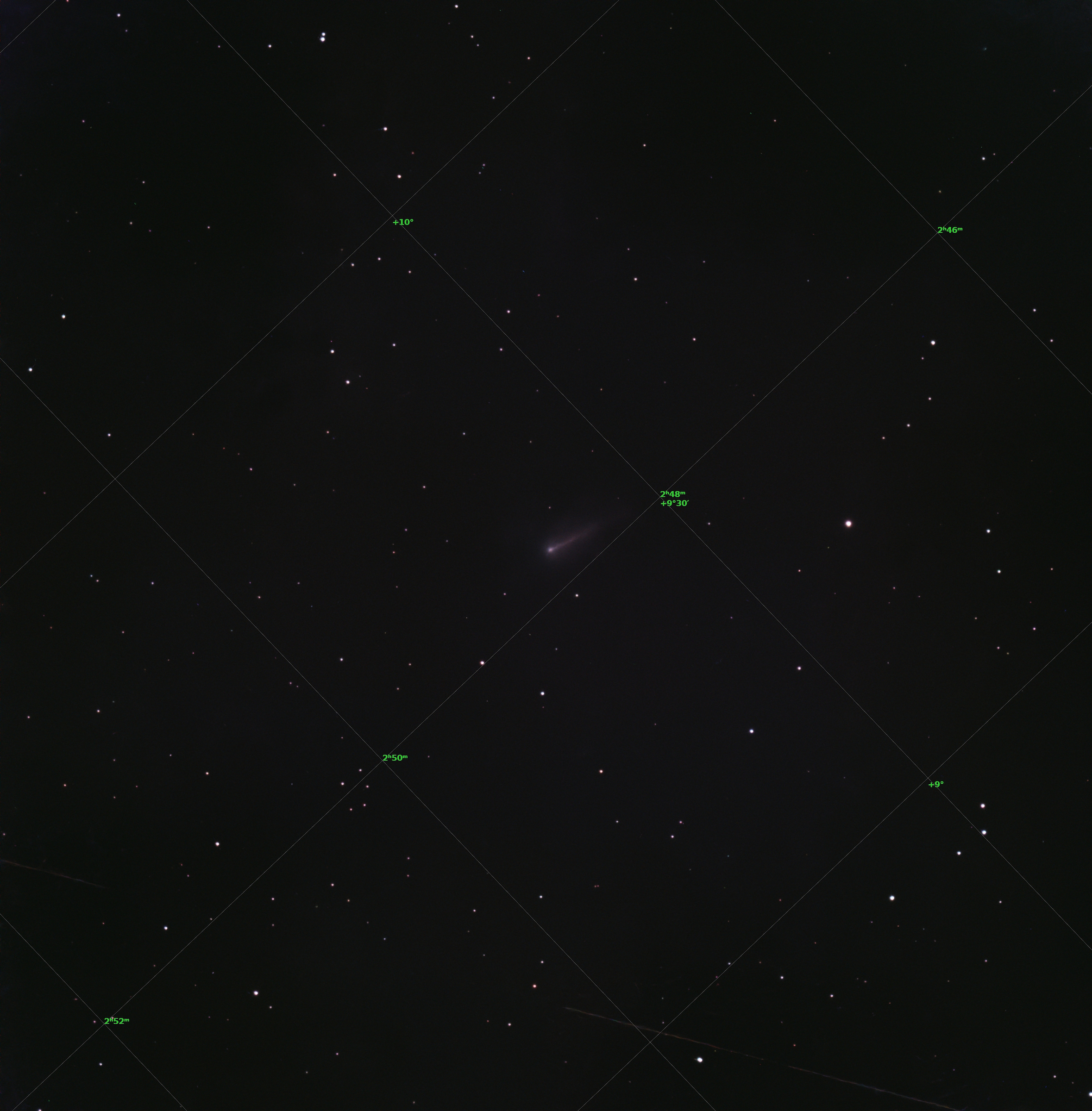
Comet 220P/McNaught viewed from my backyard with a Vespera 2 Telescope. Composite of 137 exposures (1370 sec). Processed with PixInsight (added astro grid). FOV 2.5° x 1.4°Comet 220P/McNaught viewed from my backyard with a Vespera 2 Telescope. Composite of 137 exposures (1370 sec). Sky Color Studio (B30, DeNoise90, C10). FOV 2.5° x 1.4°Comet 220P/McNaught viewed from my backyard with a Vespera 2 Telescope. Composite of 137 exposures (1370 sec). Straight out of the telescope image. FOV 2.5° x 1.4°
Vespera 3
Comet 220P/McNaught viewed from my backyard with a Vespera 3 Telescope. Composite of 127 exposures (1270 sec). Image processed with PixInsight (with astro grid). FOV 2.5° x 1.4°Comet 220P/McNaught viewed from my backyard with a Vespera 3 Telescope. Composite of 127 exposures (1270 sec). Sky Color Studio (DeNoise). FOV 2.5° x 1.4°Comet 220P/McNaught viewed from my backyard with a Vespera 3 Telescope. Composite of 127 exposures (1270 sec). Straight out of the telescope image. FOV 2.5° x 1.4°
Vespera Pro 1
Comet 220P/McNaught viewed from my backyard with a Vespera Pro Telescope. Composite of 135 exposures (1350 sec). Image processed with PixInsight. Added astro grid. FOV 1.6° x 1.6°Comet 220P/McNaught viewed from my backyard with a Vespera Pro Telescope. Composite of 135 exposures (1350 sec). Sky Color Studio (Black level, DeNoise, Vibrance, Saturation, Contrast). FOV 1.6° x 1.6°Comet 220P/McNaught viewed from my backyard with a Vespera Pro Telescope. Composite of 135 exposures (1350 sec). FOV 1.6° x 1.6°
Vespera Pro 2
Comet 220P/McNaught viewed from my backyard with a Vespera Pro 2 Telescope. Composite of 129 exposures (1290 sec). Image processed with PixInsight. Astro grid overlay. FOV 1.6° x 1.6°Comet 220P/McNaught viewed from my backyard with a Vespera Pro 2 Telescope. Composite of 129 exposures (1290 sec). Sky Color Studio (Black Level, DeNoise, Vibrance, Saturation, Contrast). FOV 1.6° x 1.6°Comet 220P/McNaught viewed from my backyard with a Vespera Pro 2 Telescope. Composite of 129 exposures (1290 sec). Straight out of the telescope image. FOV 1.6° x 1.6°
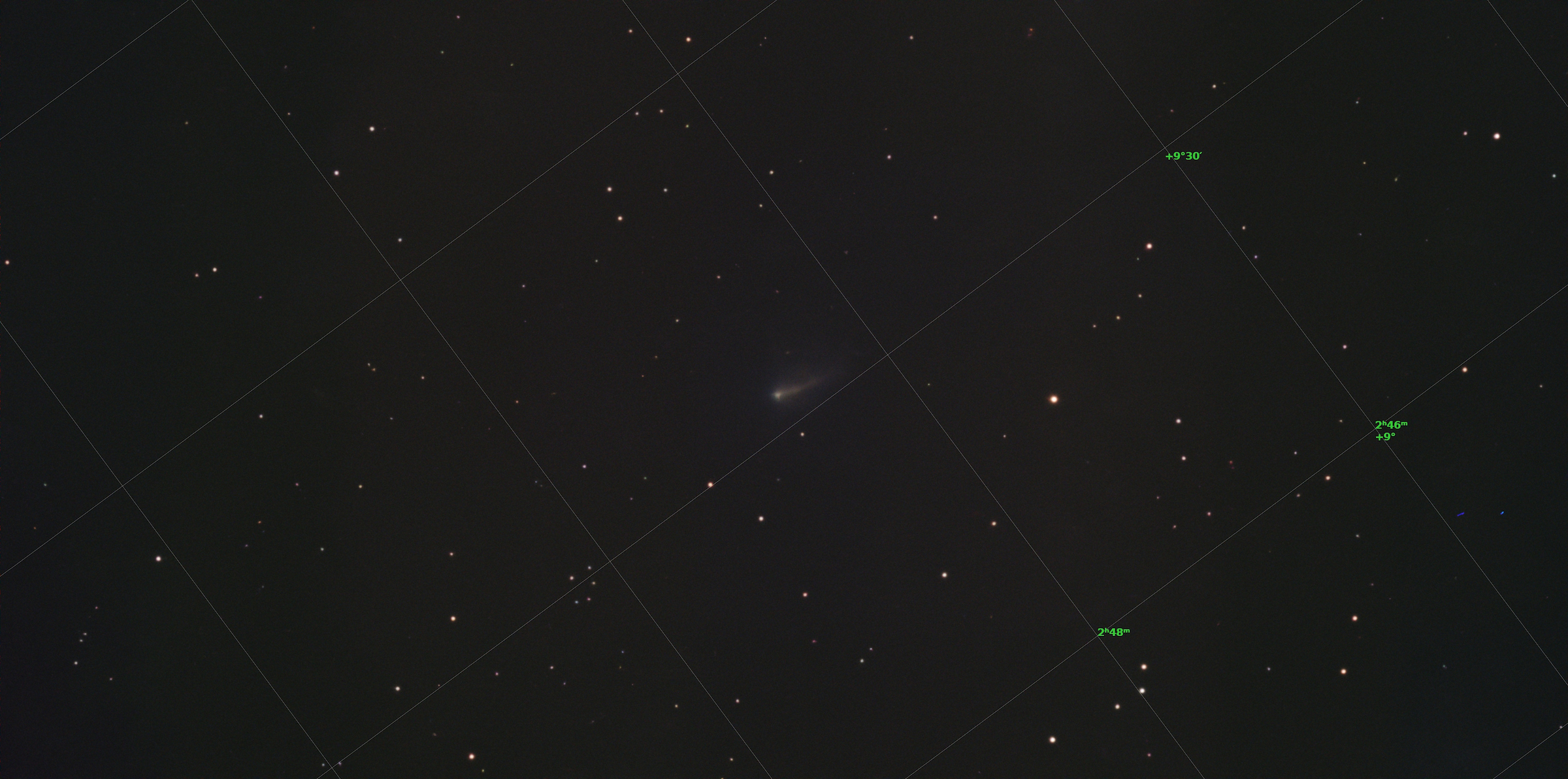
The ClearNightSky forecast didn’t look very good, but I decided to try and view comet C220P/McNaught again. I programed the new RA/Dec coordinates (02h48m40s, +09°32’56”) as manual targets. Then set up overnight plans in Singularity for the Vespera telescopes to observe the comet. The first attempt started at 03:30 then repeated every 20-30 minutes.
Before an observation session starts, the Vespera telescope initializes. It aligns itself to the sky and focuses the stars on the digital sensor. Once the observation session starts, the telescope continues to recheck that it is pointing at the target, and the stars remain in focus. The telescope records every good observation in the image stack. Faulty images containing clouds, stray light, and jet trails are filtered by the telescope and not added to the image stack. The telescope stops an observation session after several minutes of repeated problematic images. If time remains in the overnight sequence, the telescope will attempt to restart the observation.
The Vespera telescopes did initialize and managed to get a few observations of Comet 220P/McNaught during a few breaks in the clouds. If the telescopes were not automated, I probably would have given it up for the night. The Vespera 3 got the best image for the night. The straight out of the telescope (SOOF) JPG images from the Vespera Pro and Vespera Pro 2 have bright gradient backgrounds in the center of the image. Processing the 16-bit RAW/TIFF images with PixInsight using the AutomaticBackgroundExtractor removed the bright background. The unprocessed SOOF images are available in my PhotoShelter site.
For comparison, I also processed the Vespera 3 observation of comet 220P/McNaught with the Sky Color Studio (SCS) application included in the current version of Singularity. Sky Color Studio processes the 16-bit RAW image within the Singularity application. I am running the program on a Samsung Android tablet (it does not run on Windows). The SCS application provides an 8-bit JPG image output that can be saved locally or uploaded. I saved one version of the image with no adjustments. The comet is brighter than the JPG SOOT image with the bright center background gradient more noticeable. I also processed the image with denoise (100%) and adjusted the contrast (+20%). That reduces the background gradient but also dims the comet.
Vespera 2
Comet 220P/McNaught viewed from my backyard with a Vespera 2 Telescope. Composite of 21 exposures (210 sec). Straight out of the telescope image. Image processed with PixInsight (added astro grid).Comet 220P/McNaught viewed from my backyard with a Vespera 2 Telescope. Composite of 21 exposures (210 sec). Straight out of the telescope image.
Vespera 3
Comet 220P/McNaught viewed from my backyard with a Vespera 3 Telescope. Composite of 56 exposures (560 sec). Image processed with PixInsight (added astro grid).Comet 220P/McNaught viewed from my backyard with a Vespera 3 Telescope. Composite of 56 exposures (560 sec). Straight out of the telescope image.Comet 220P/McNaught viewed from my backyard with a Vespera 3 Telescope. Composite of 56 exposures (560 sec). Image processed with Sky Color Studio (no processing). With watermark.Comet 220P/McNaught viewed from my backyard with a Vespera 3 Telescope. Composite of 56 exposures (560 sec). Image processed with Sky Color Studio. Denoise (100); Contrast (20). With Watermark
Vespera Pro
Comet 220P/McNaught viewed from my backyard with a Vespera Pro Telescope. Composite of 62 exposures (620 sec). Image processed with PixInsight (with astro grid overlay)Comet 220P/McNaught viewed from my backyard with a Vespera Pro Telescope. Composite of 62 exposures (620 sec). Straight out of the telescope image.
Vespera Pro 2
Comet 220P/McNaught viewed from my backyard with a Vespera Pro 2 Telescope. Composite of 48 exposures (480 sec). Image processed with PixInsight (with astro grid overlay).Comet 220P/McNaught viewed from my backyard with a Vespera Pro 2 Telescope. Composite of 48 exposures (480 sec). Straight out of the telescope image.
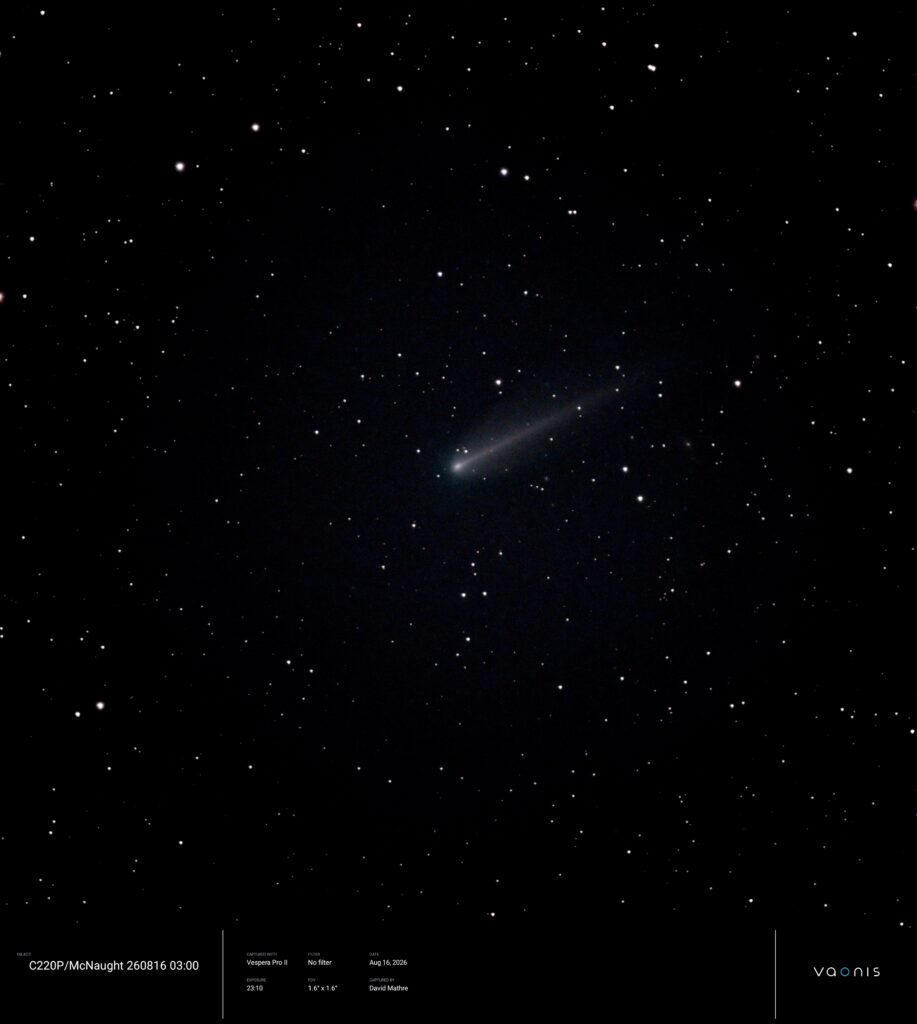
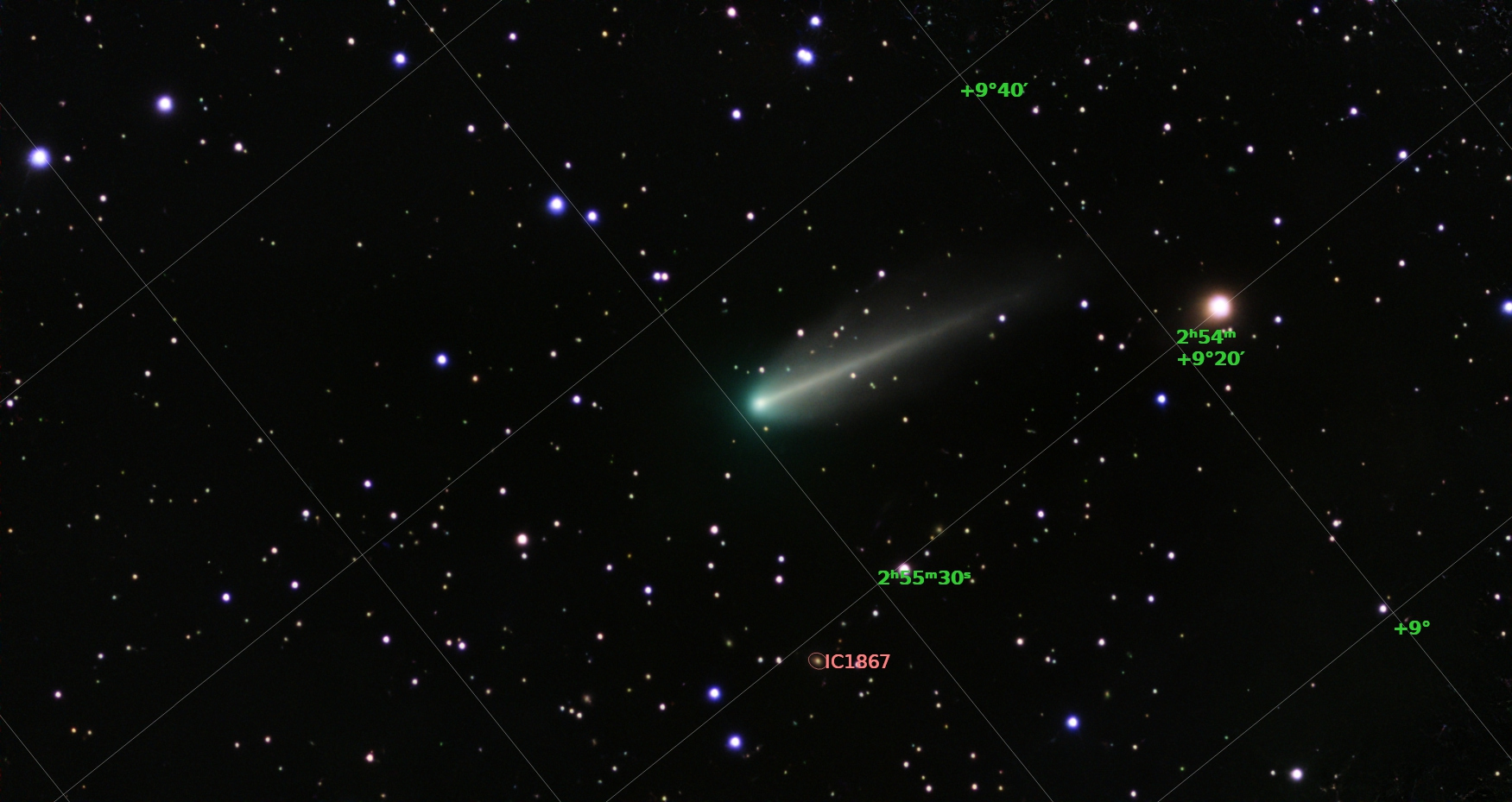
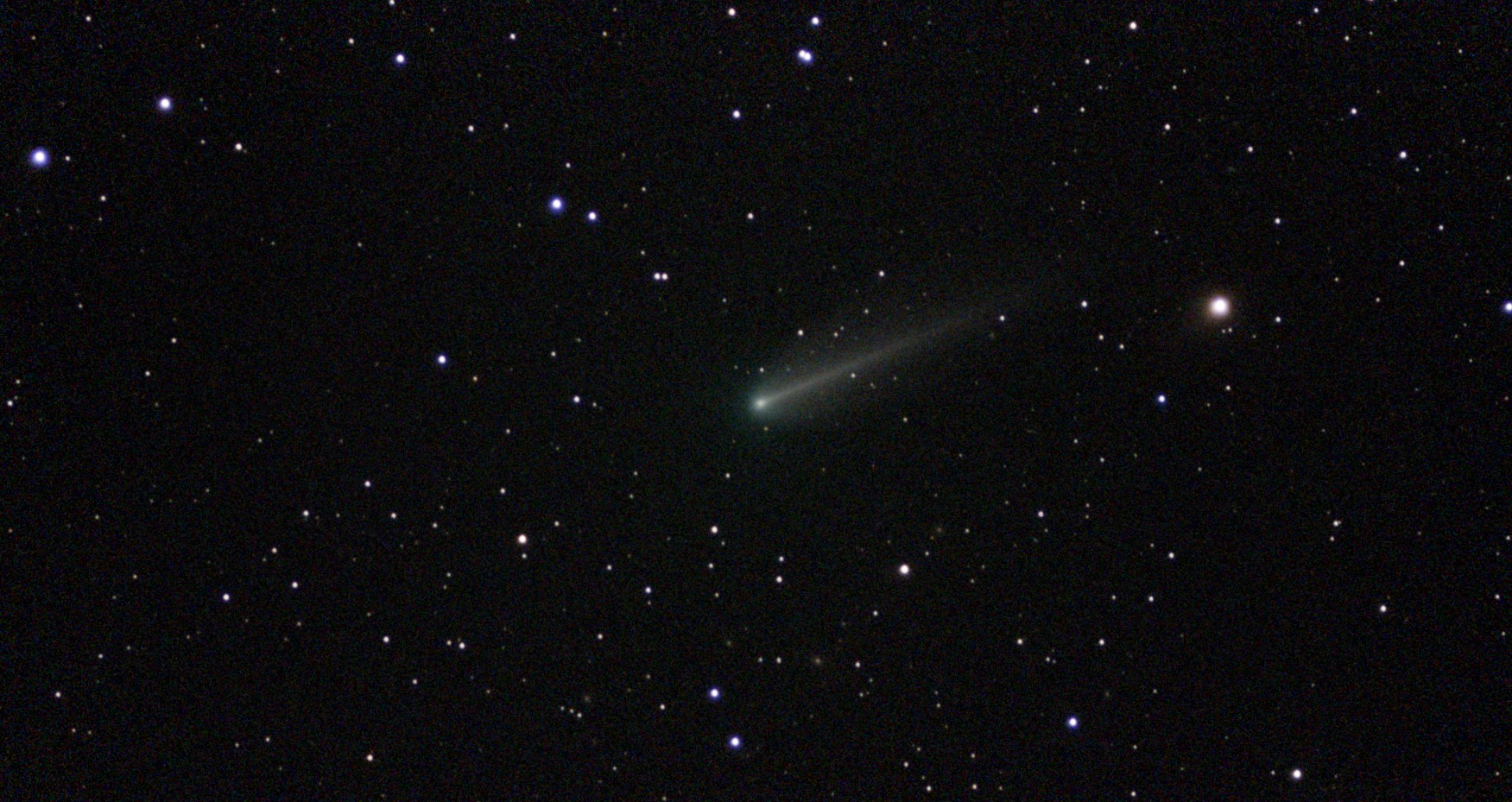
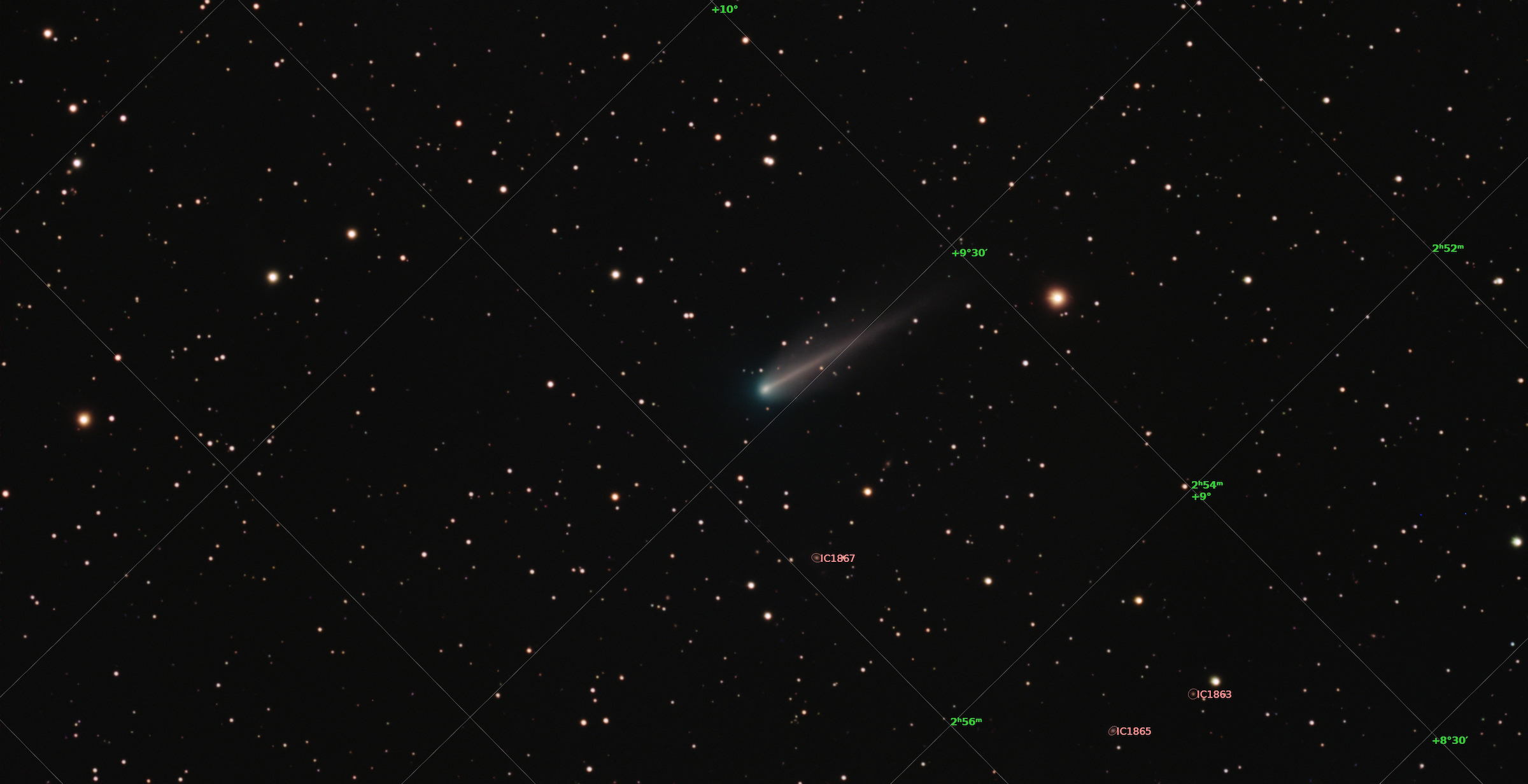
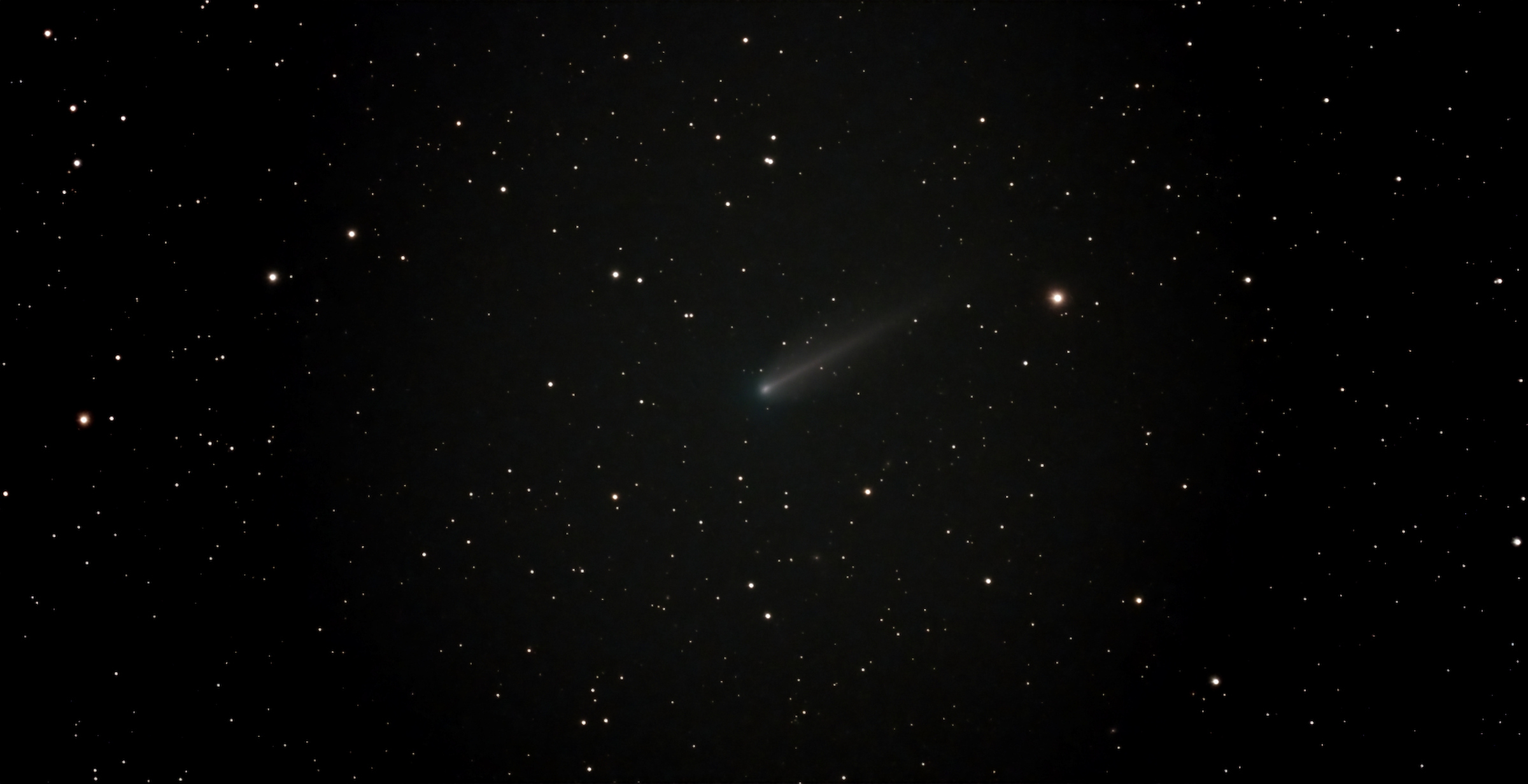
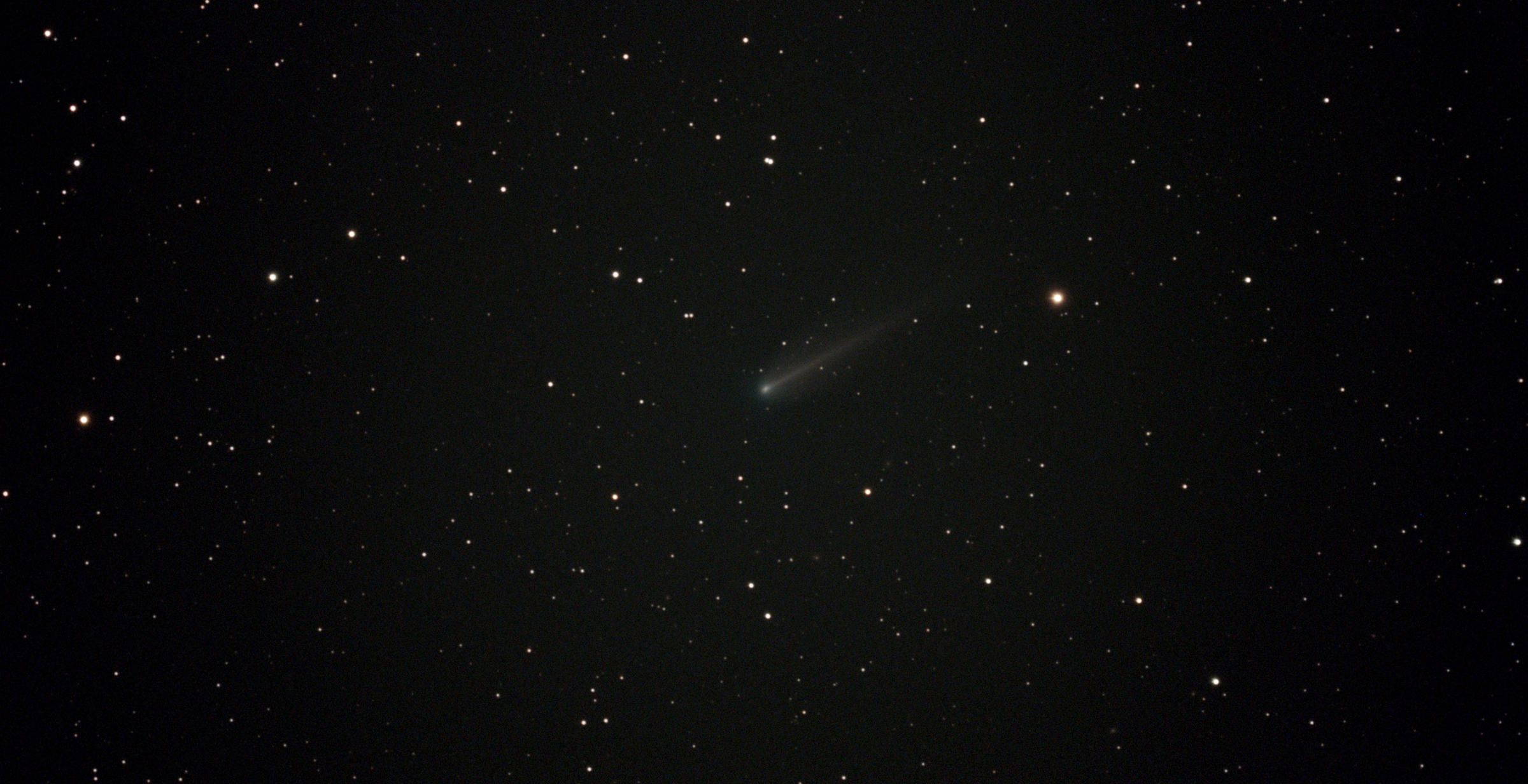
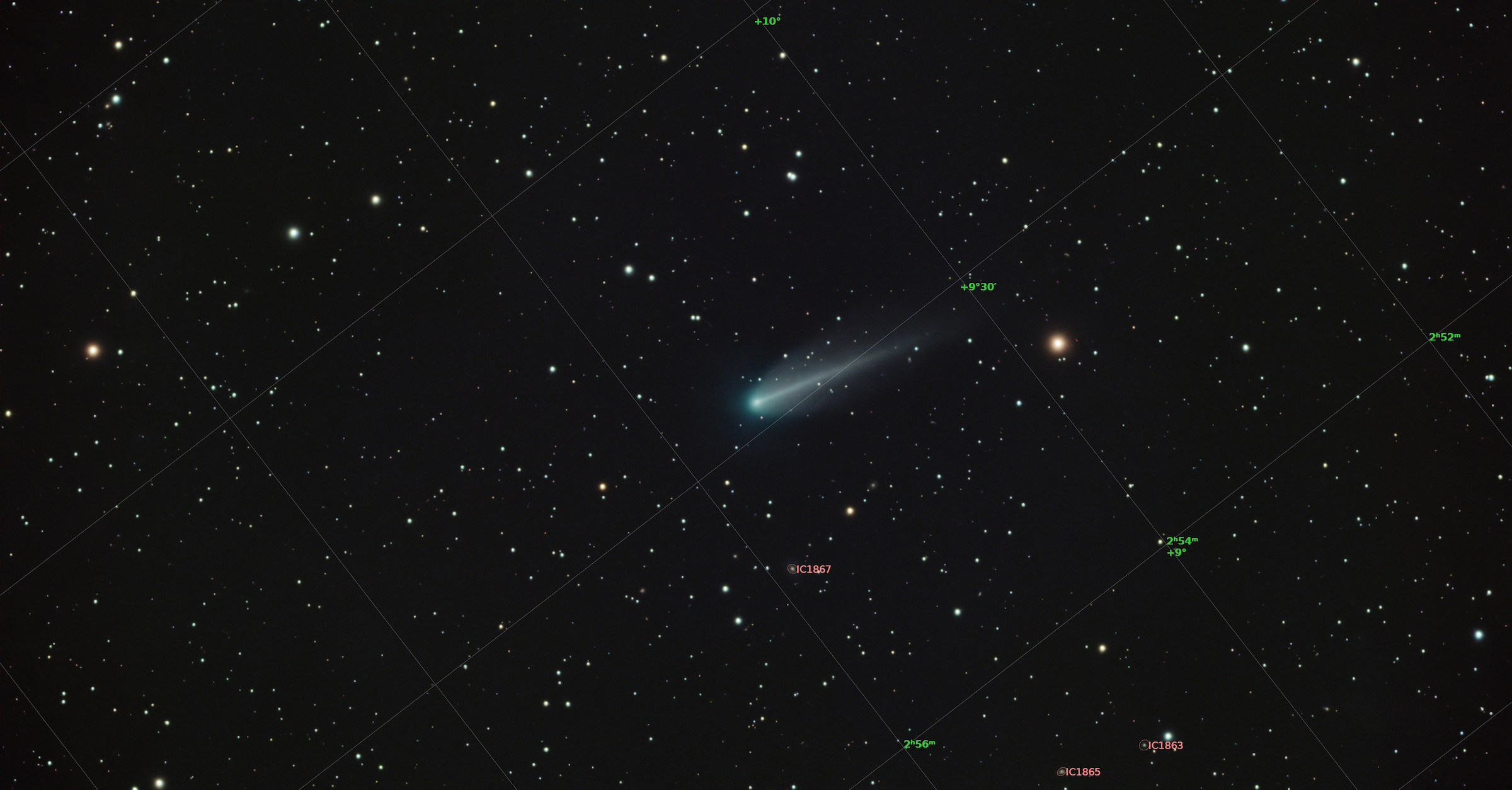
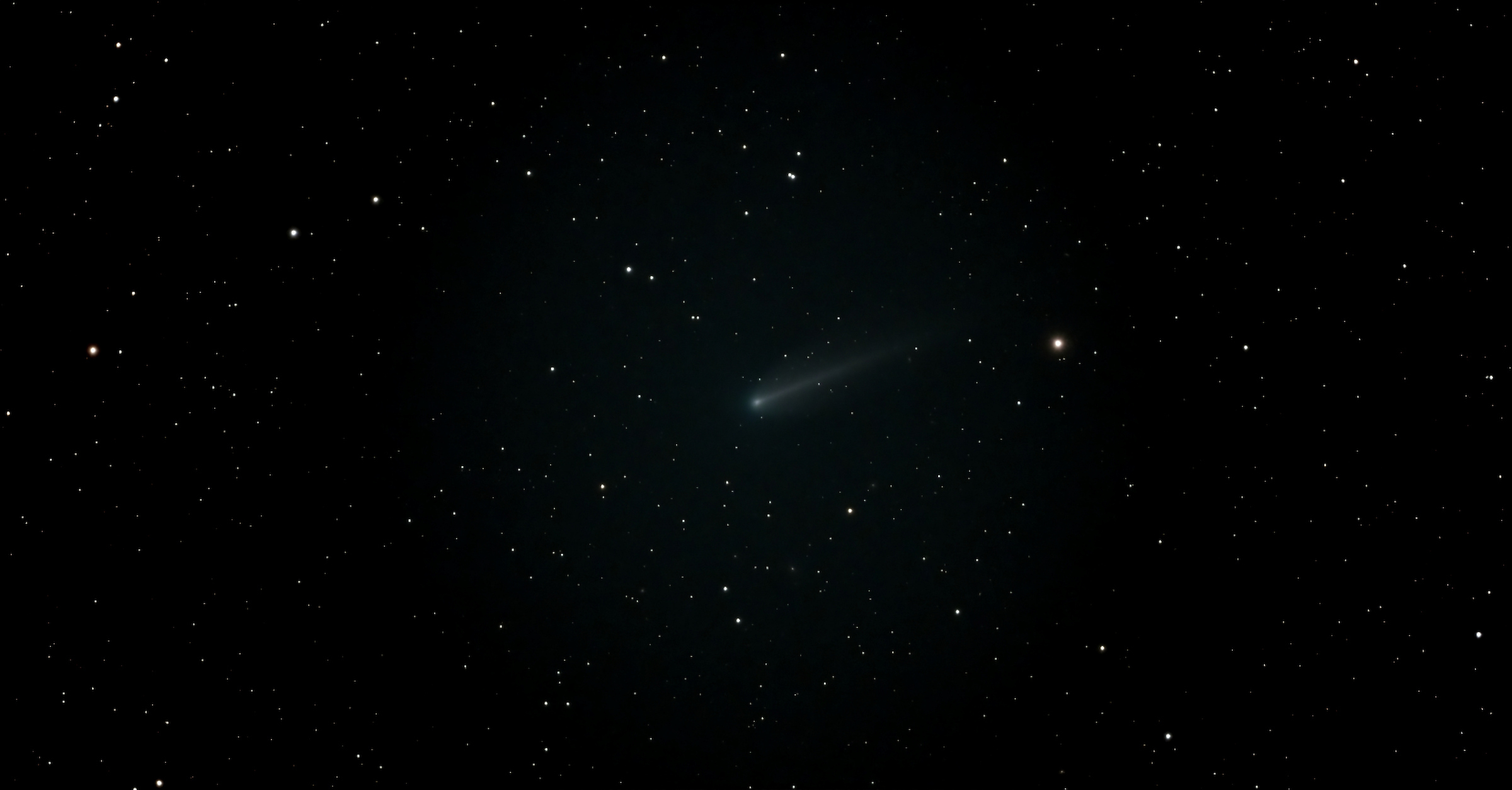
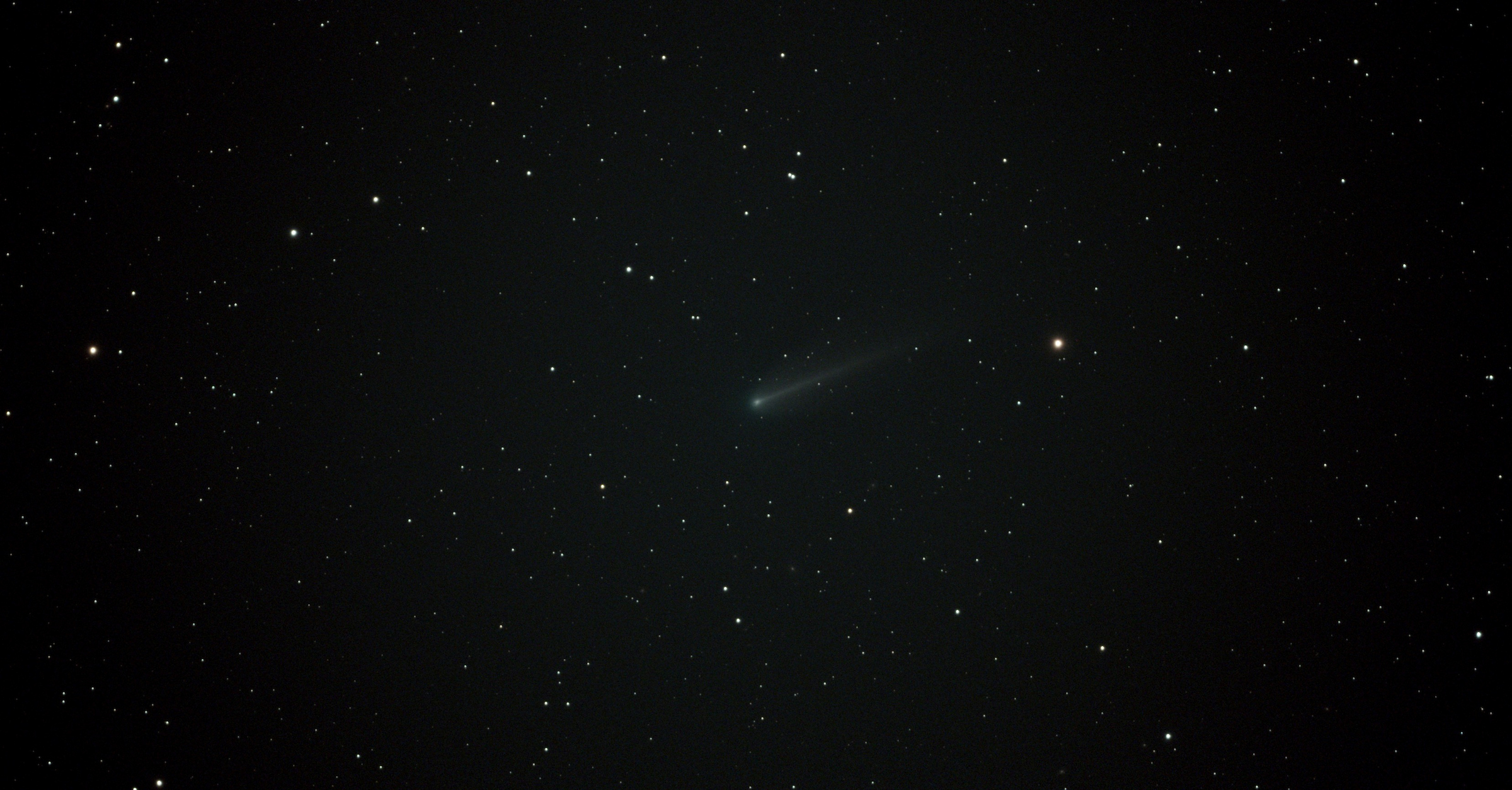
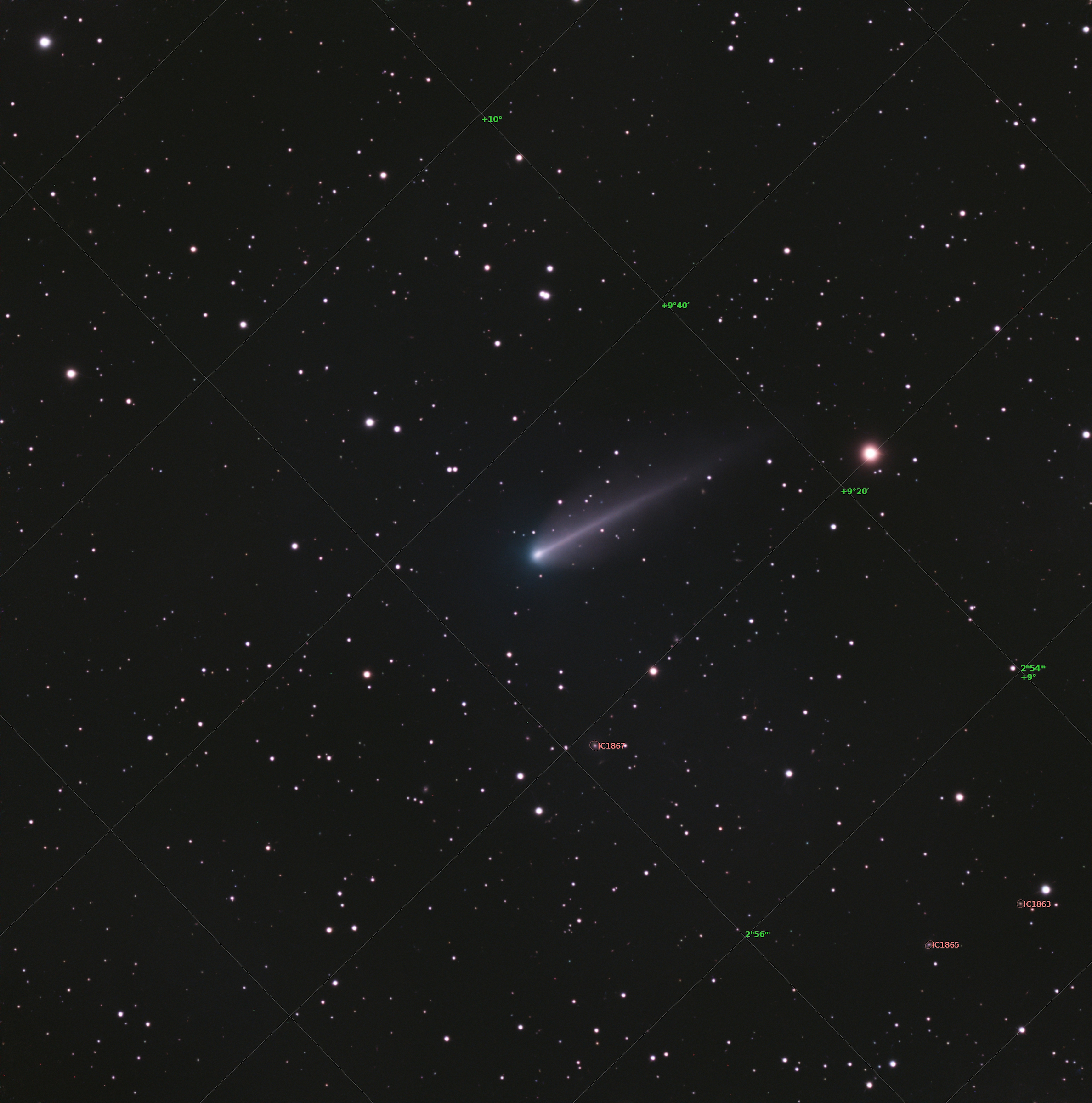
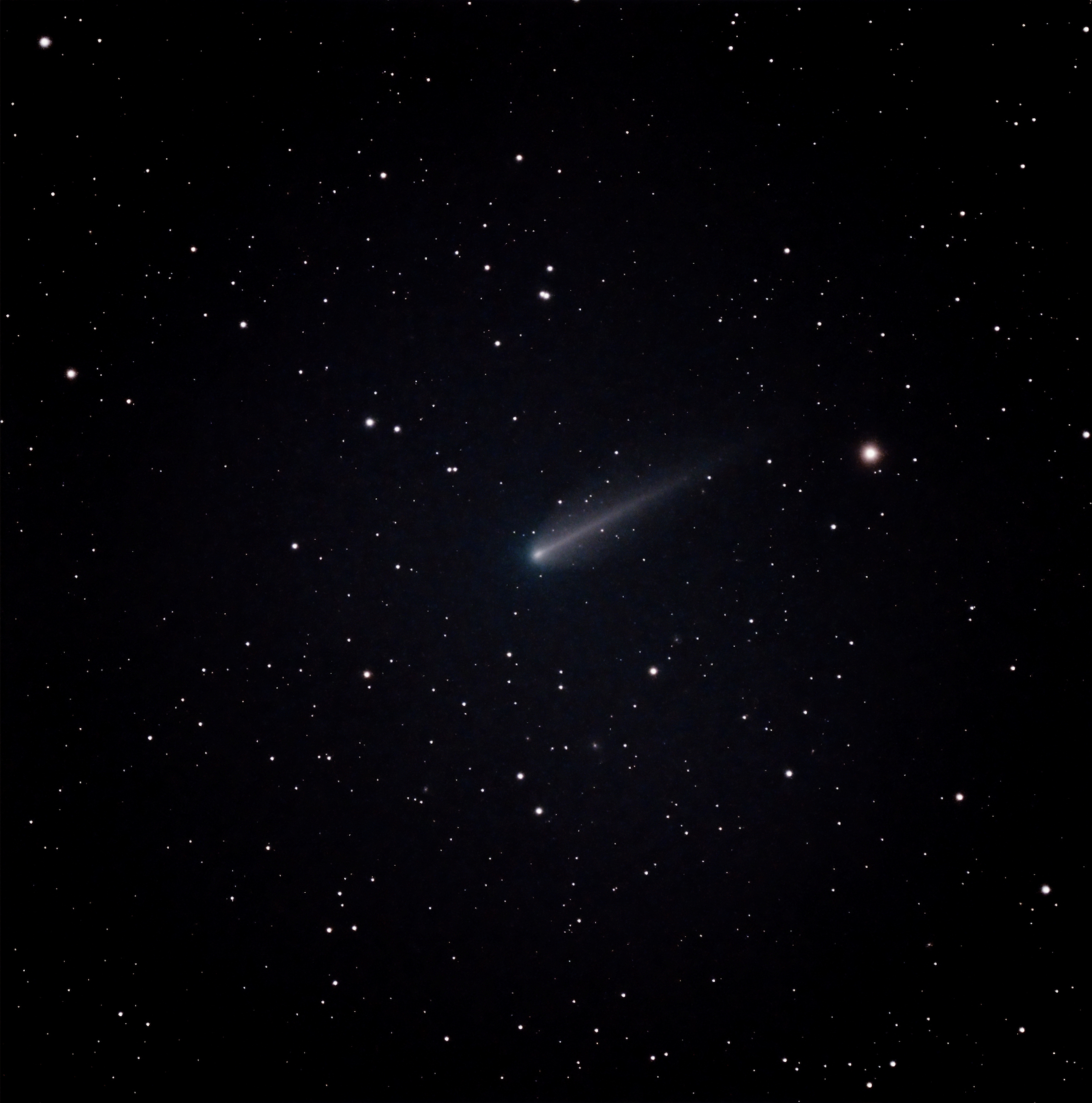
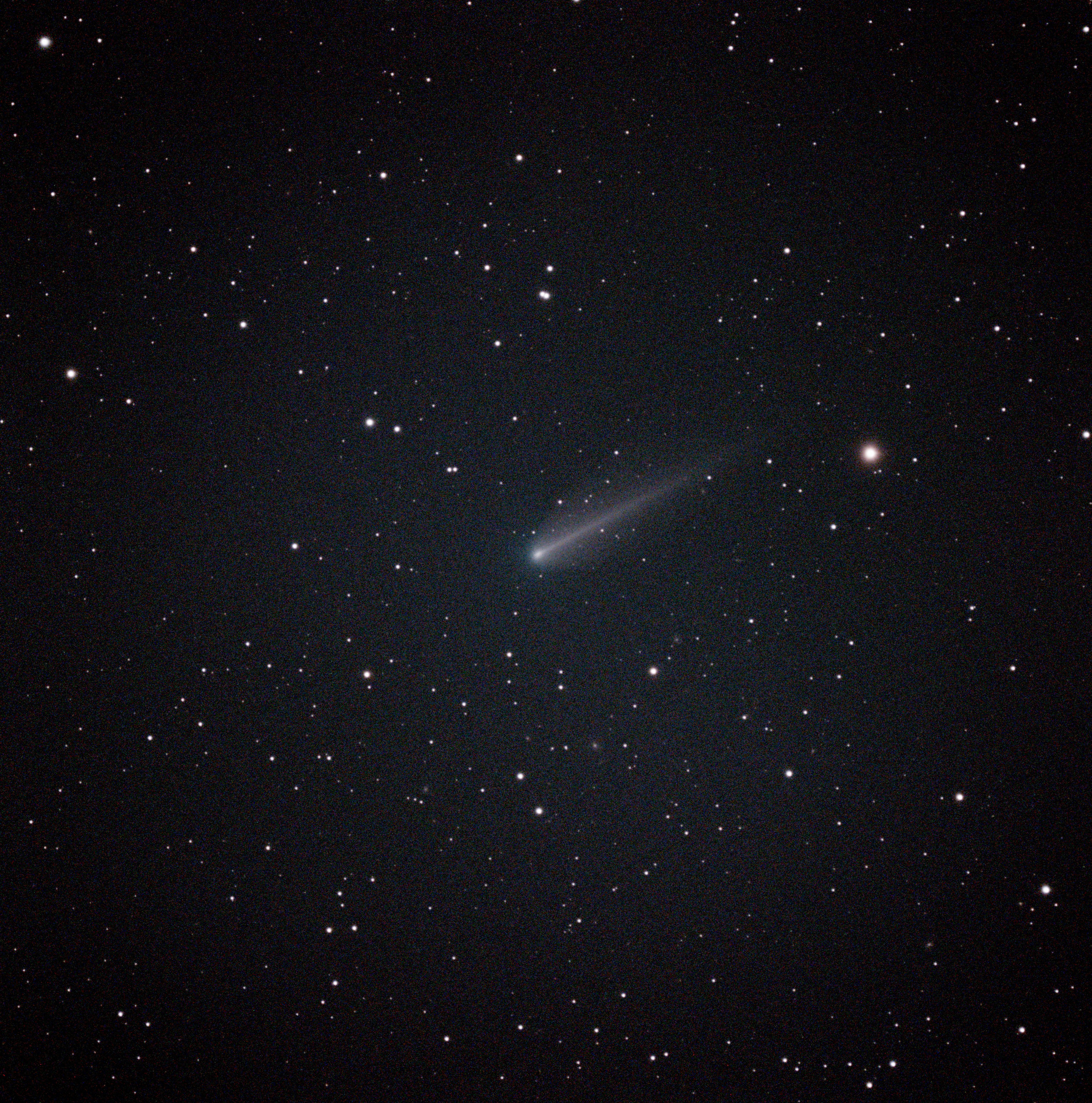
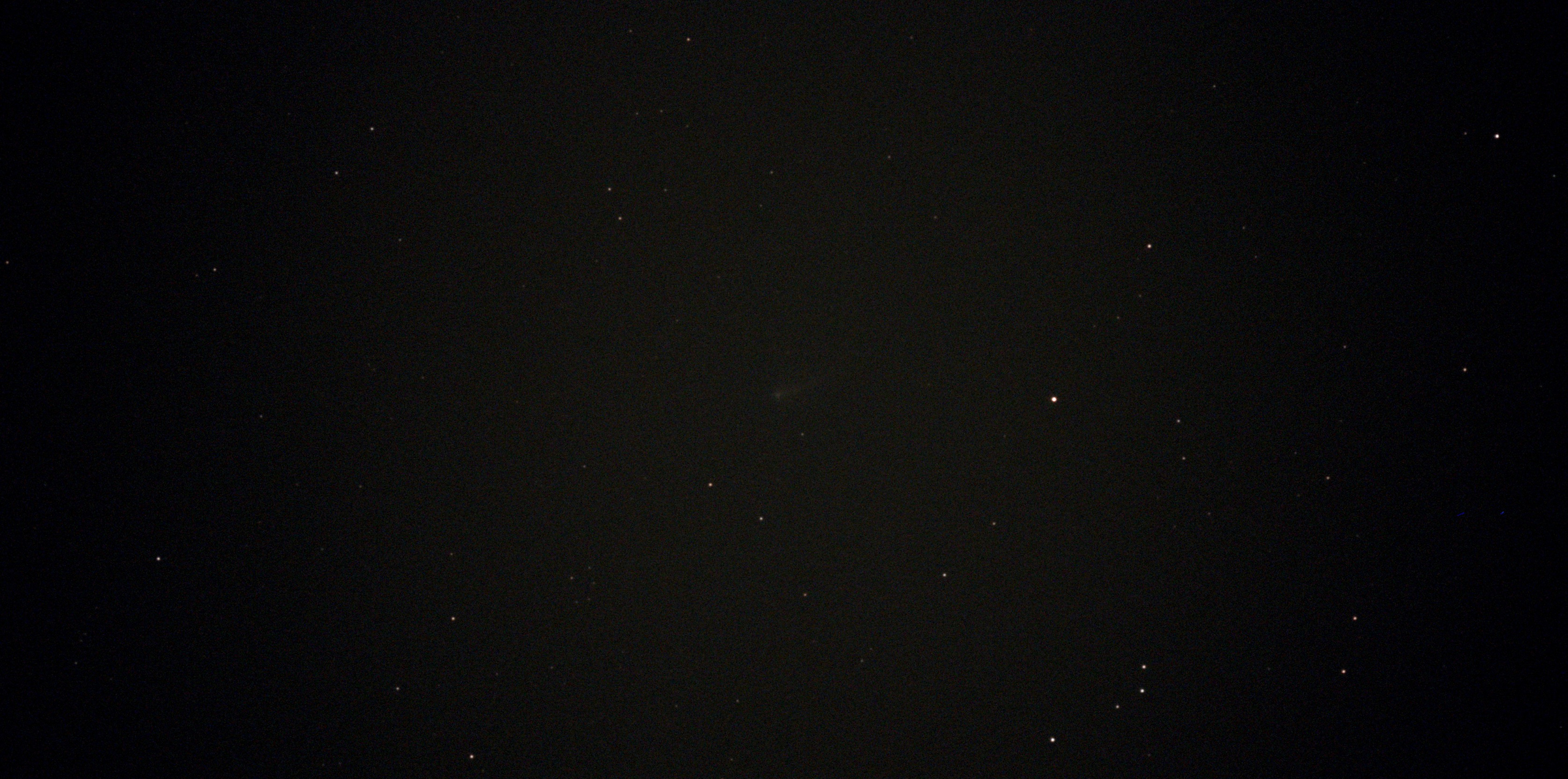
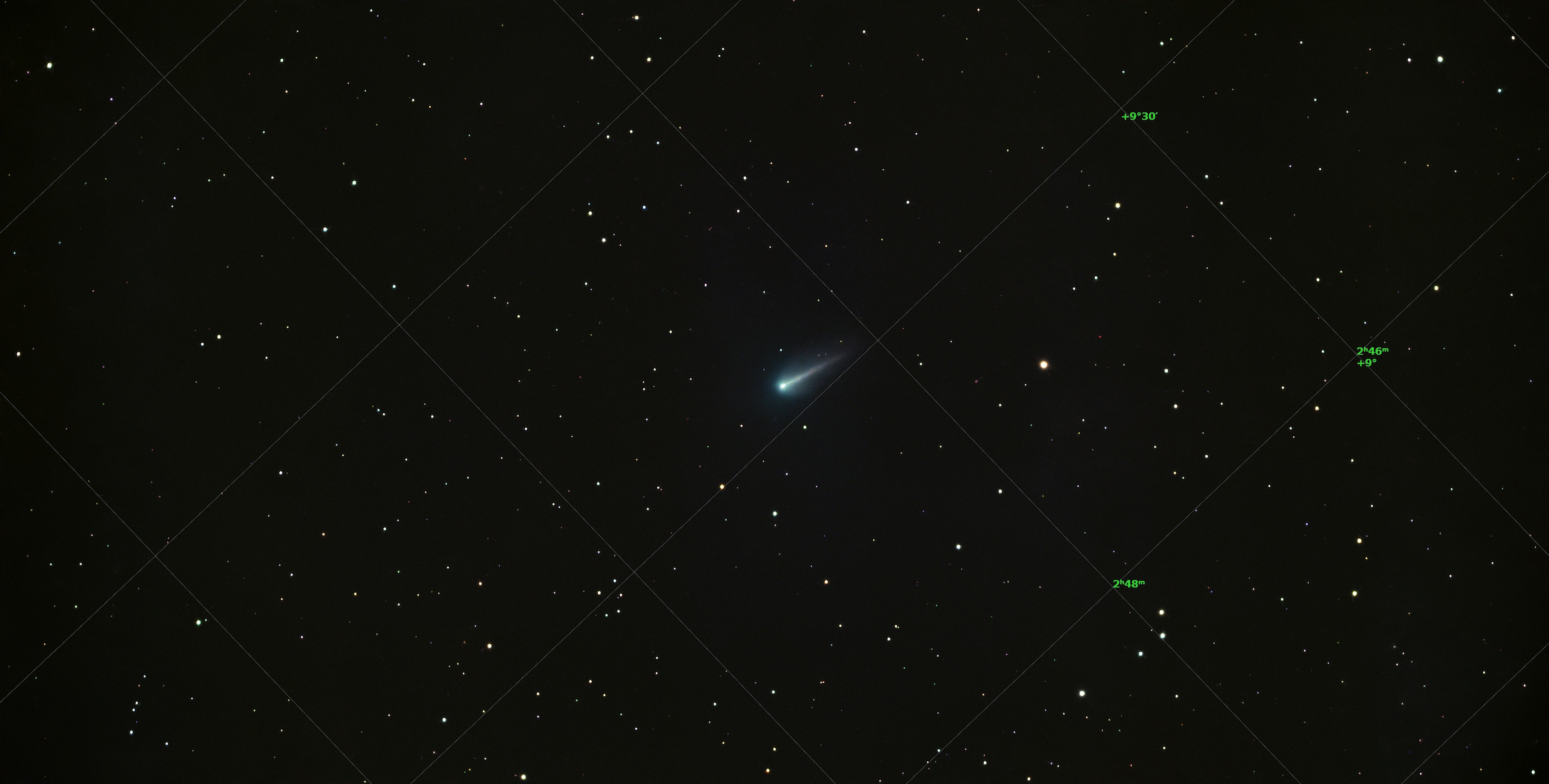
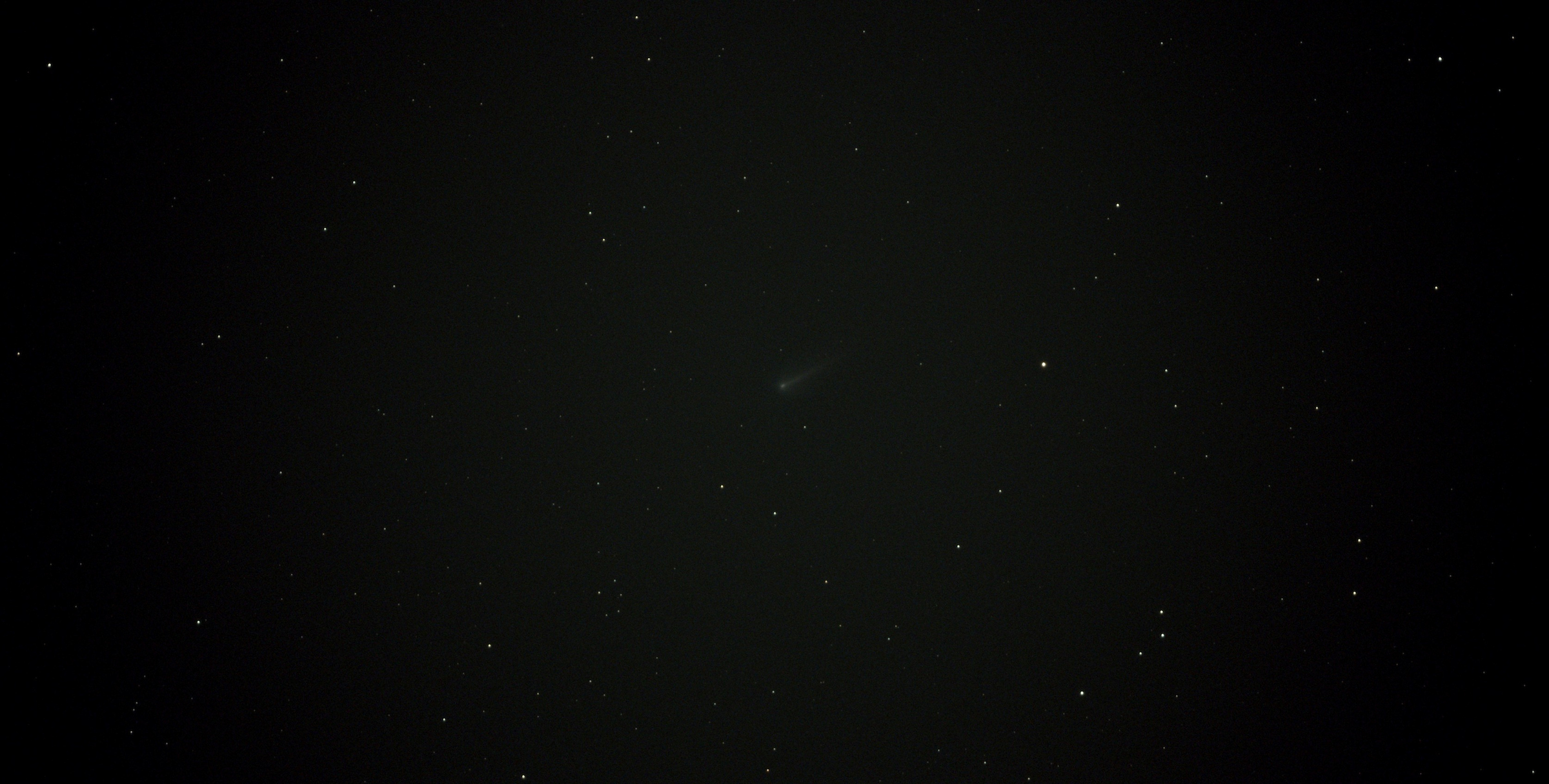
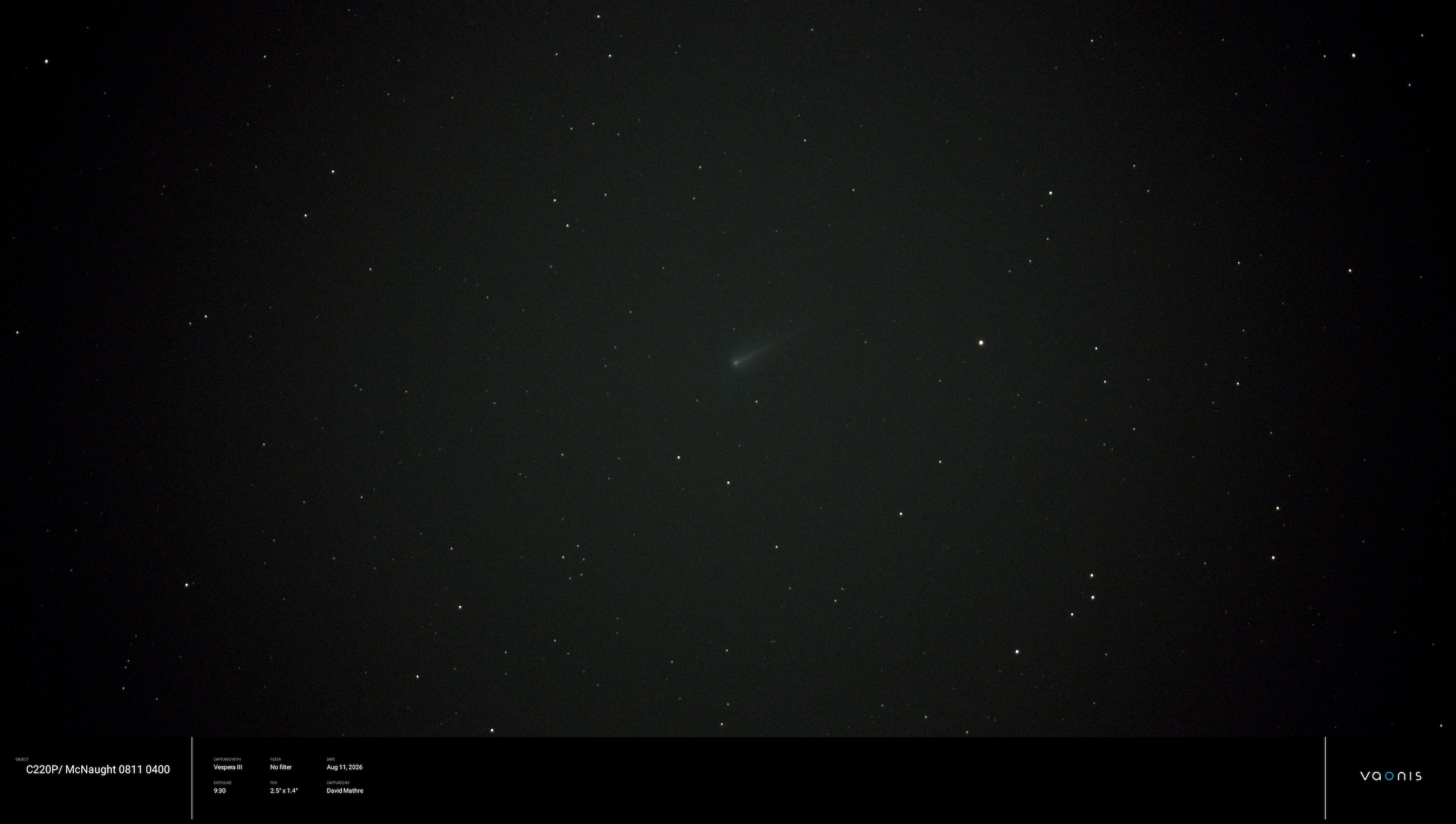
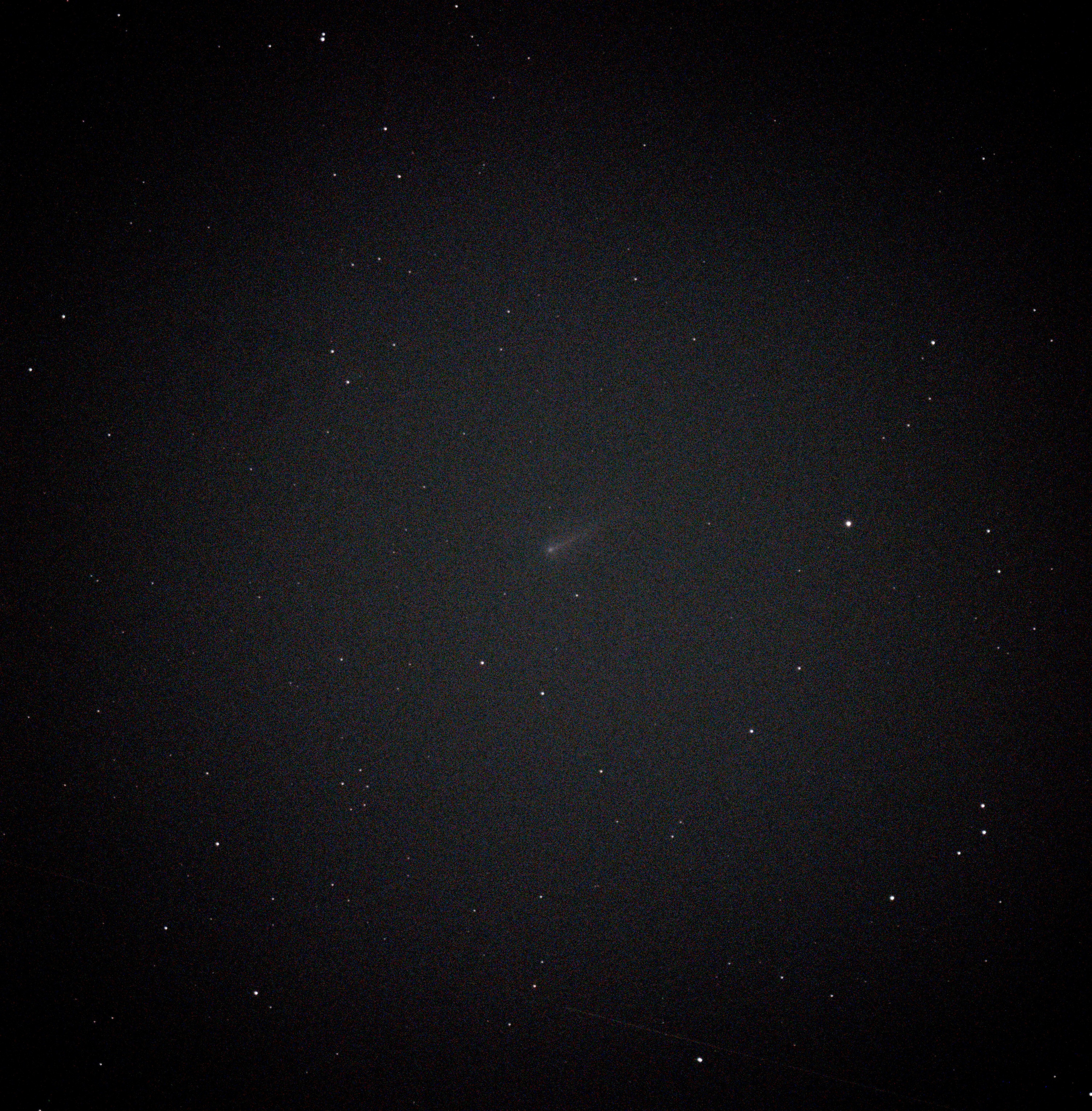
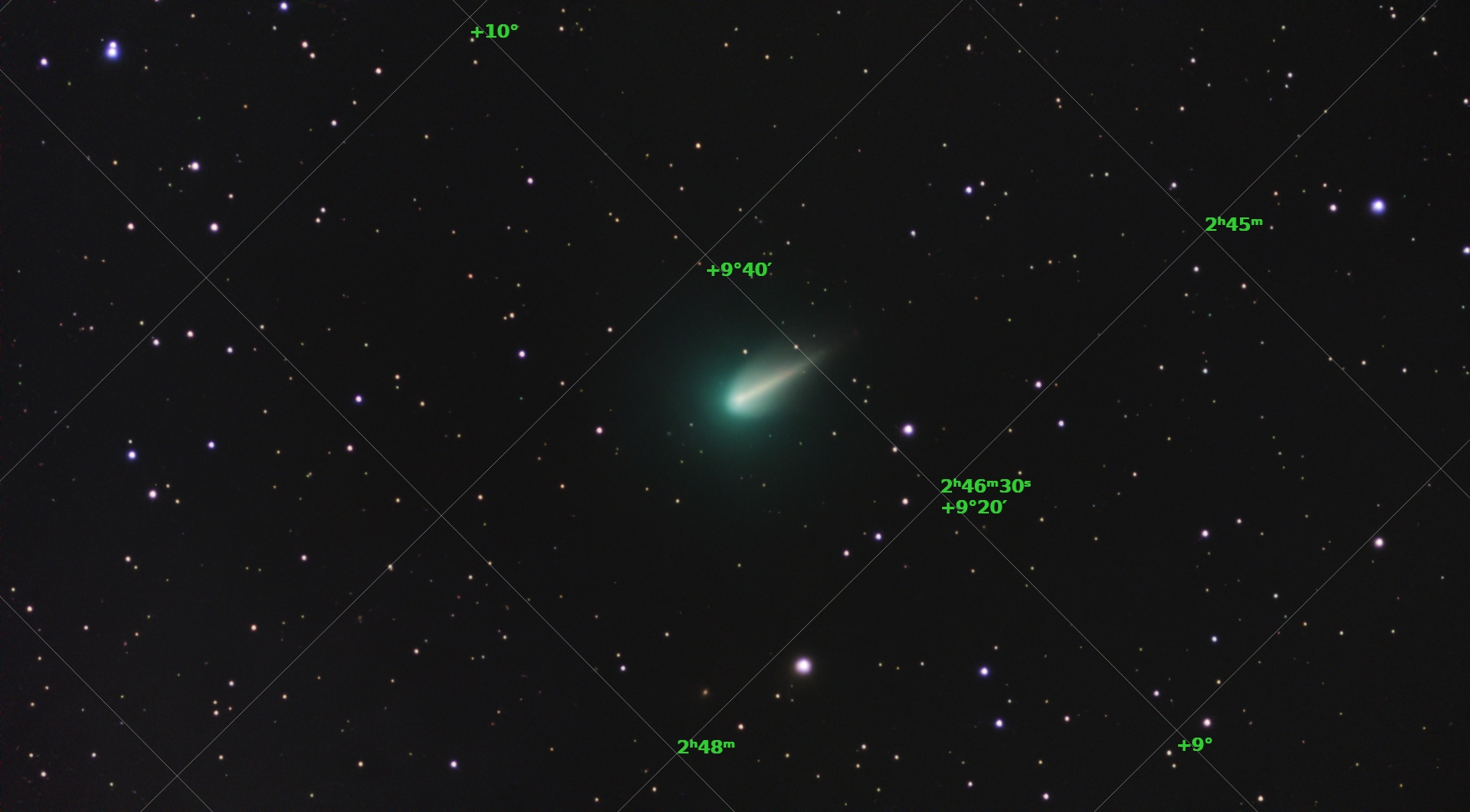
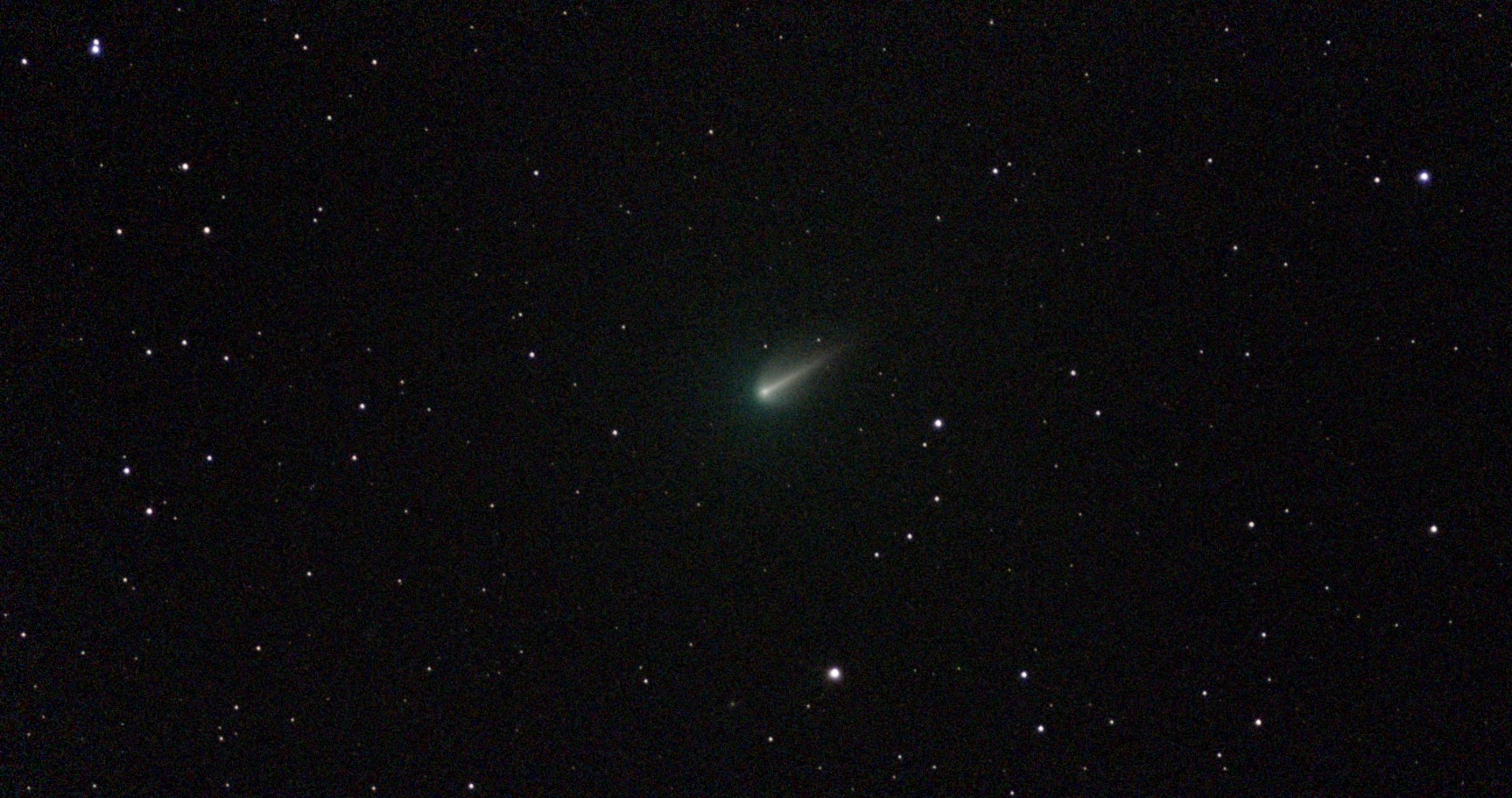
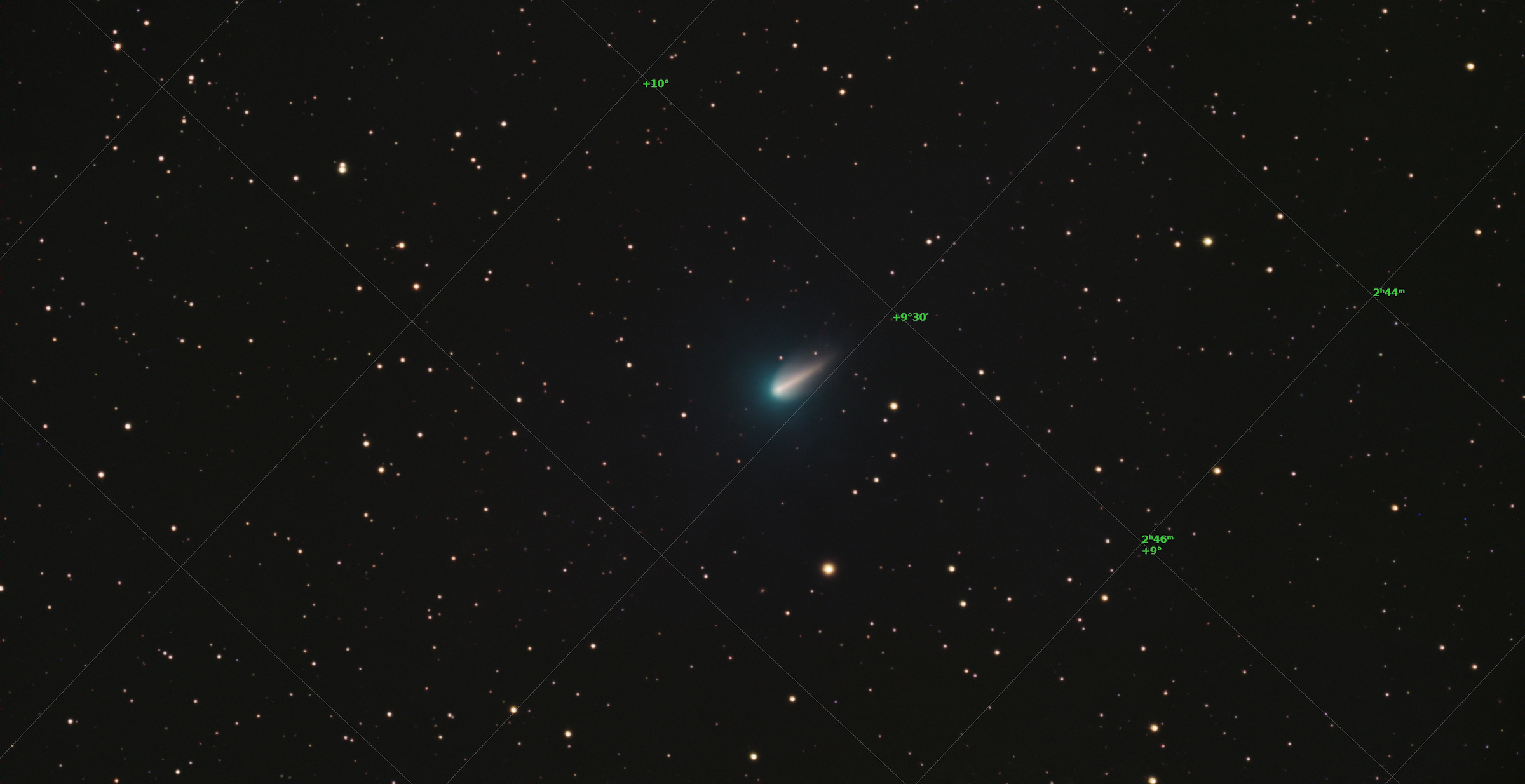
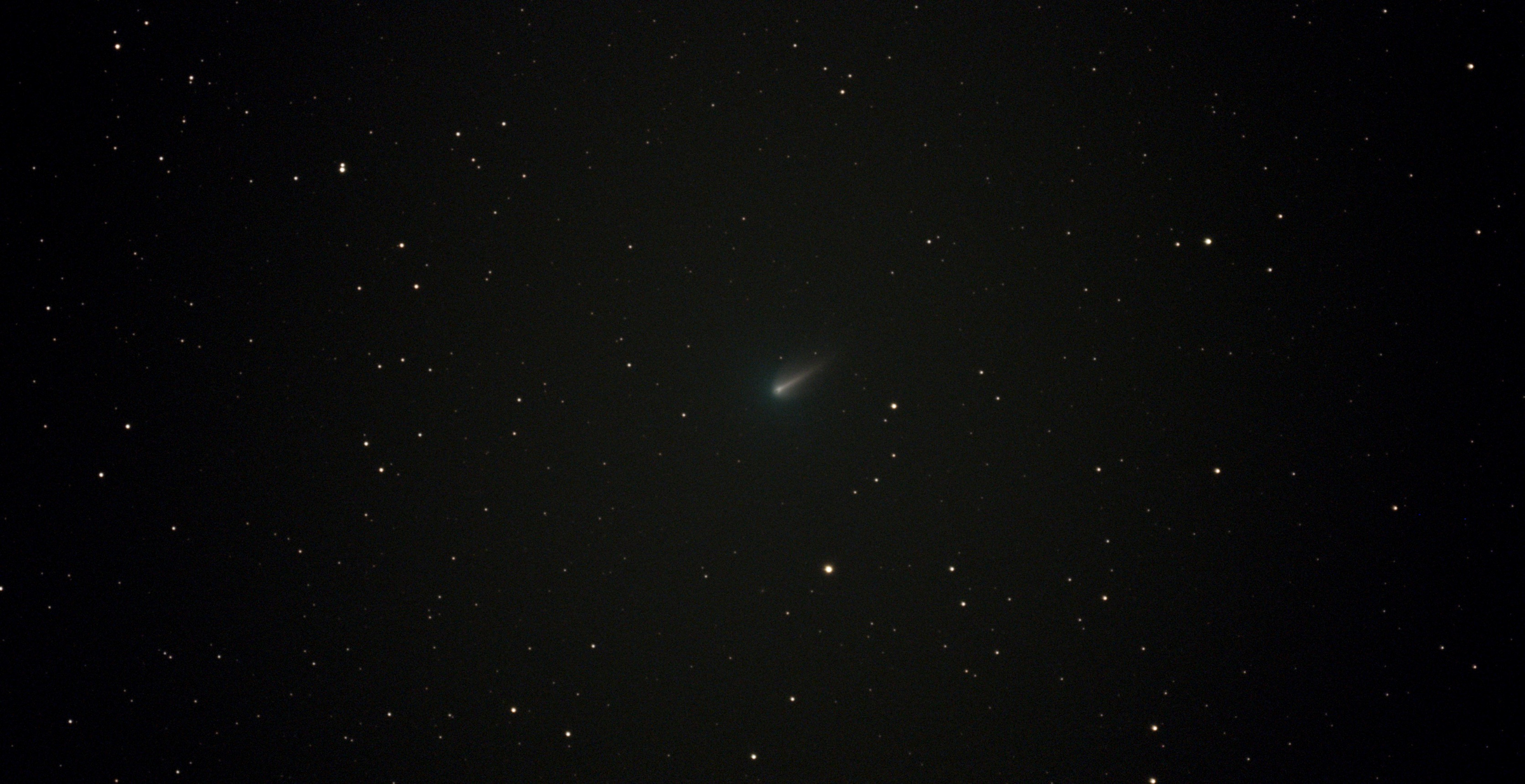
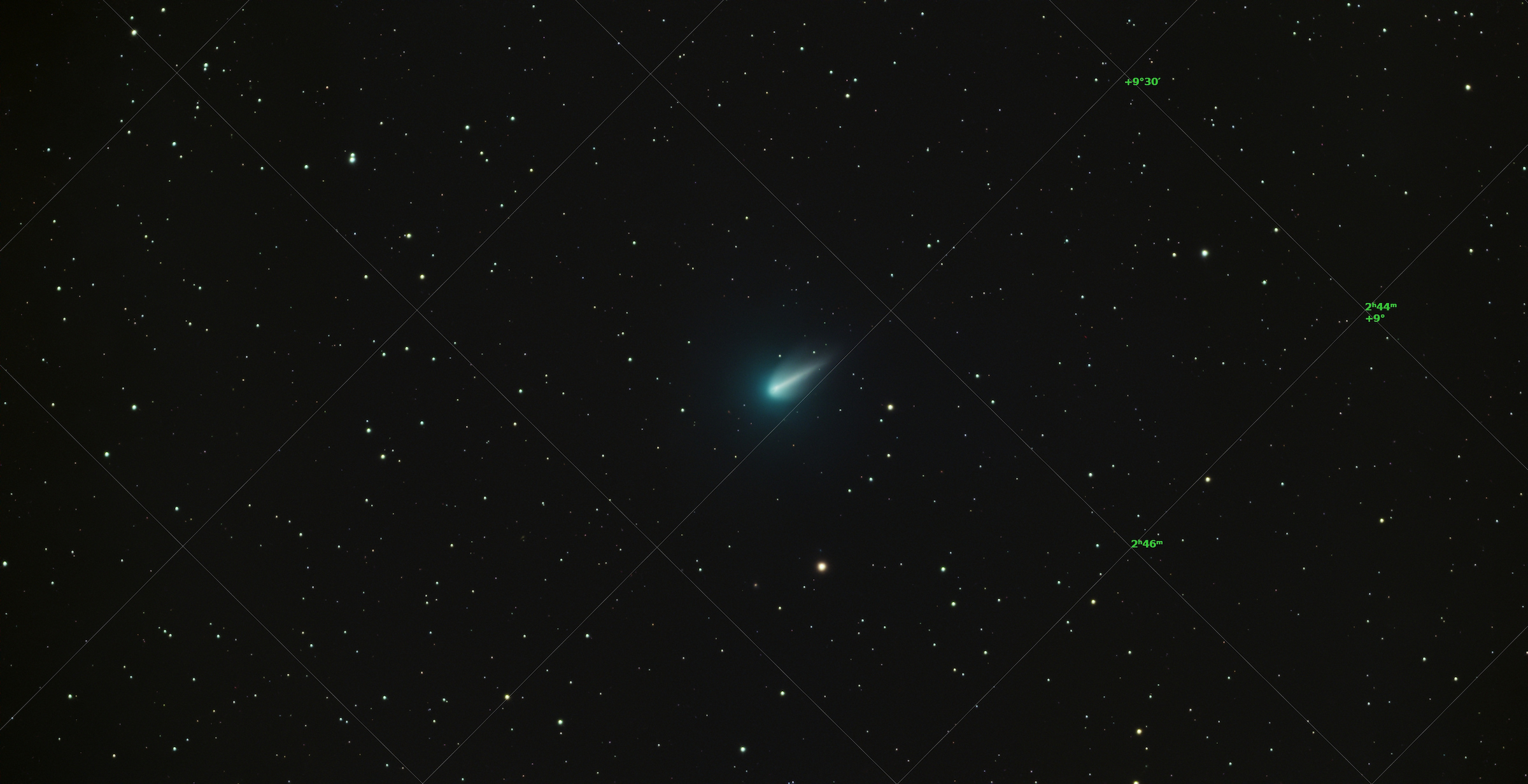
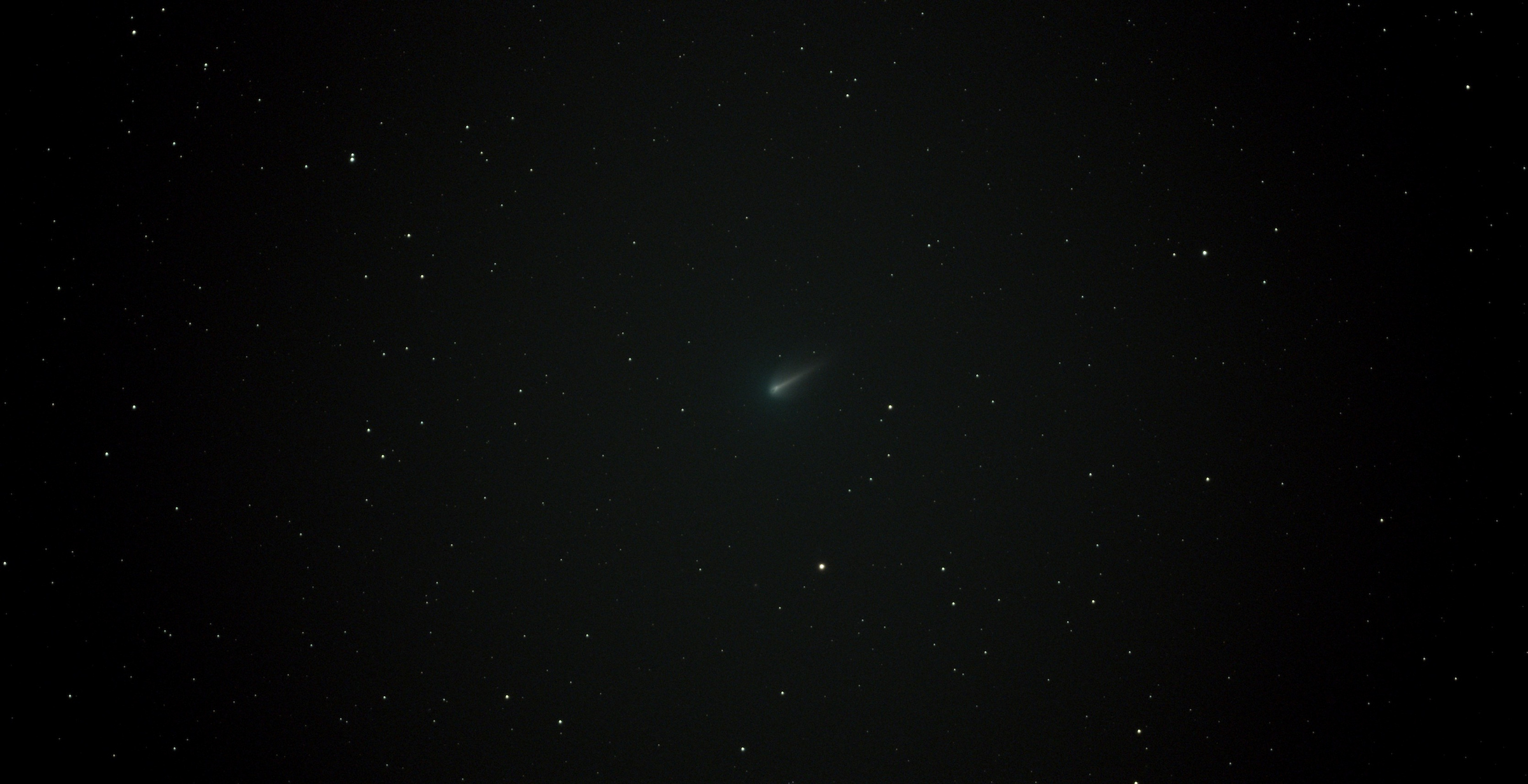
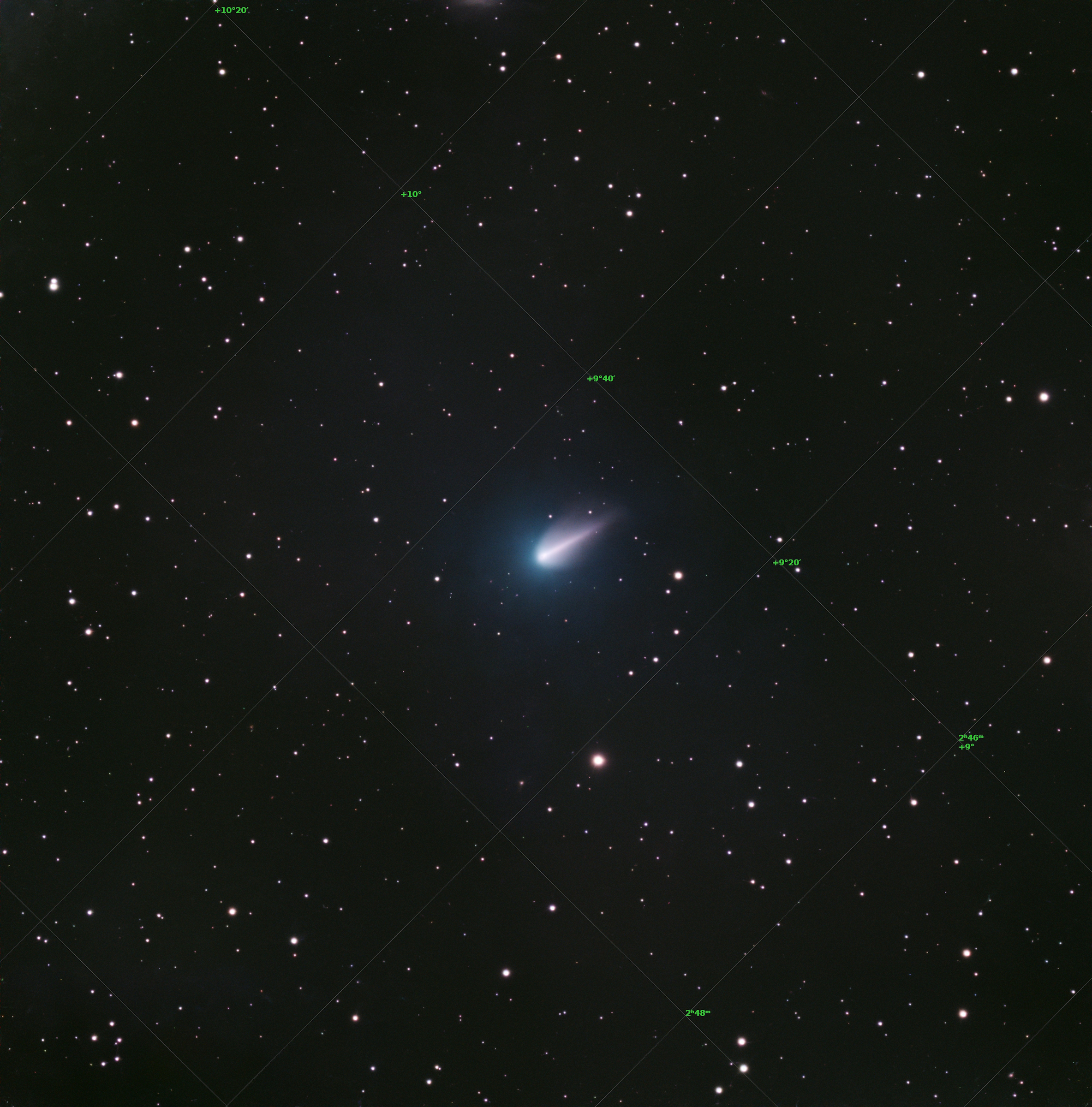
The SpaceWeather site had a note that Comet 220P/McNaught had a 2nd outburst and brightened ca. 600-fold on 05-August. Based on the RA/Dec coordinates (02h 46m 51s; +09° 32′ 31″) from Stellarium, the comet would be visible by 03:00. ClearDarkSky forecasted good viewing conditions. I programed the comet’s position into the Vaonis Singularity application as a manual target. A little after 03:00 the sky was clear and I had the Vespera telescopes observe comet 220P/McNaught. The comet was brighter and looked different than it did at my last observation (16-June-2026). The unedited SOOT (straight out of the telescope) jpg and 16-bit raw/tiff files are available in my PhotoShelter site.
Vespera 1
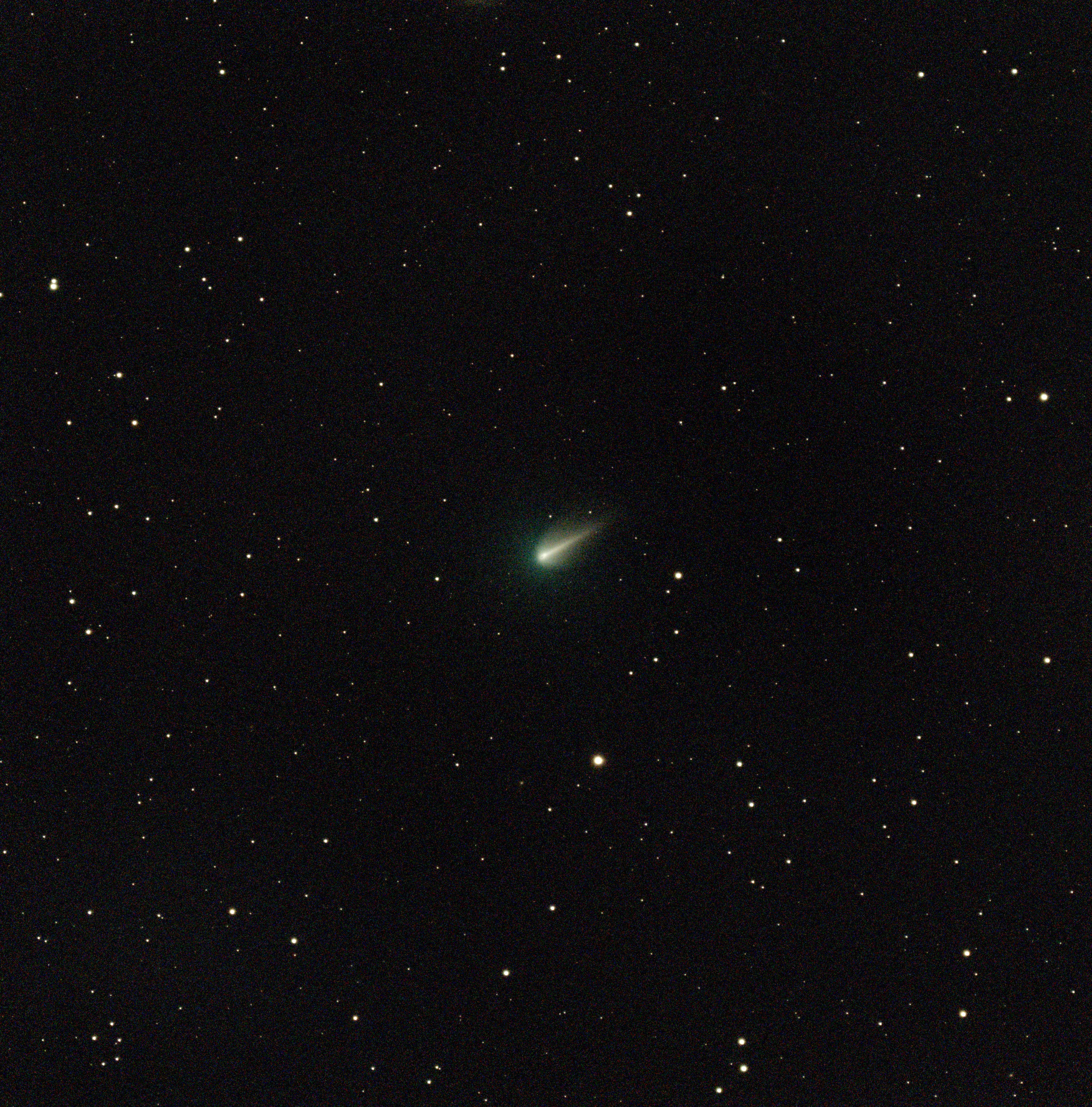
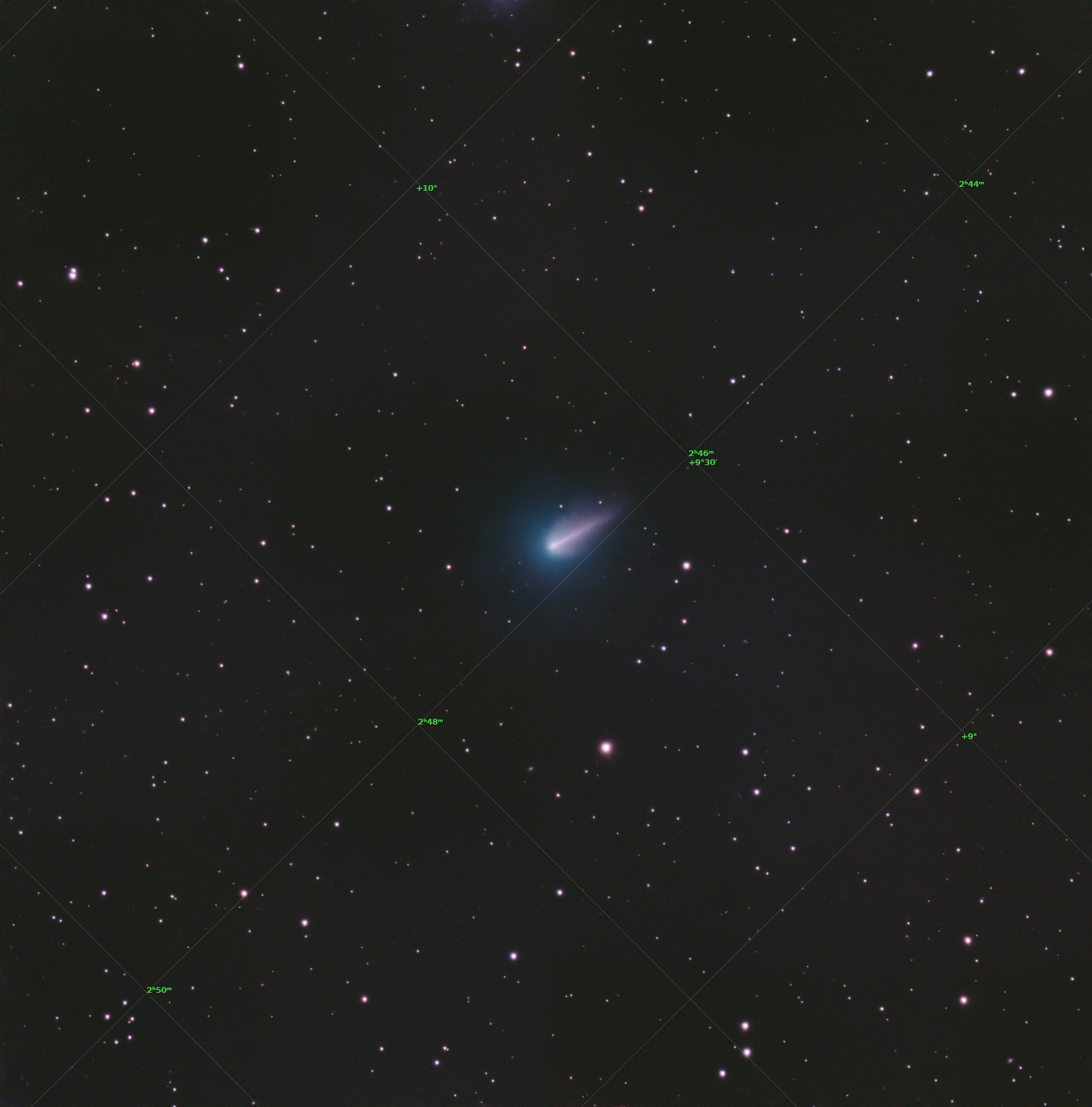
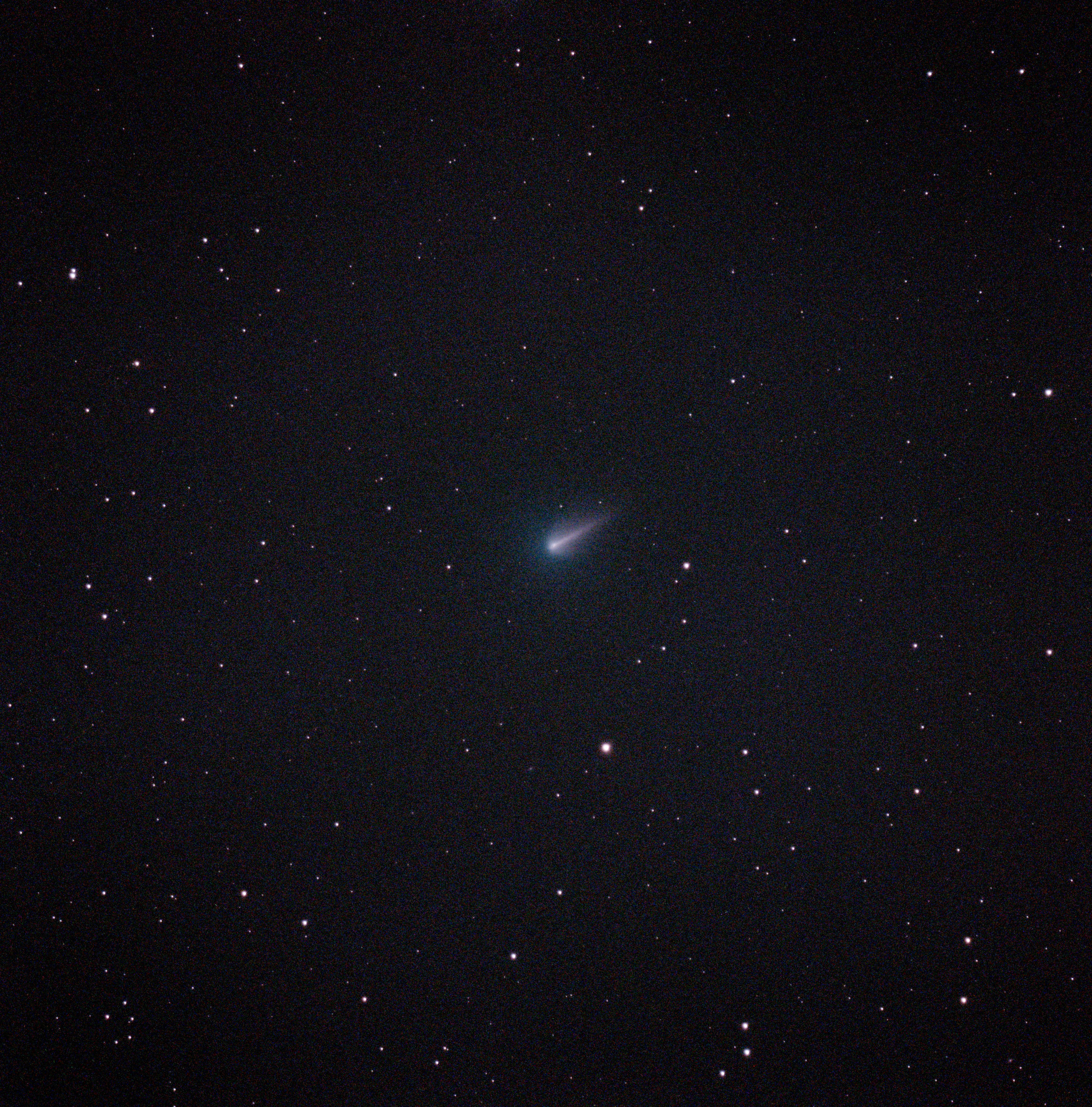
Comet 220P/McNaught viewed from my backyard with a Vespera 1 Telescope. Composite of 179 exposures (1790 sec). Image processed with Pixinsight with added astro grid.Comet 220P/McNaught viewed from my backyard with a Vespera 1 Telescope. Composite of 67 exposures (670 sec). Straight out of the telescope image. (FOV 1.46° x 0.81°)
Vespera 2
Comet 220P/McNaught viewed from my backyard with a Vespera 2 Telescope. Composite of 139 exposures (1390 sec). Image processed with PixInsight (with added astro grid).Comet 220P/McNaught viewed from my backyard with a Vespera 2 Telescope. Composite of 139 exposures (1390 sec). Straight out of the telescope image. FOV (2.23° x 1.15°)
Vespera 3
Comet 220P/McNaught viewed from my backyard with a Vespera 3 Telescope. Composite of 164 exposures (1640 sec). FOV (2.26° x 1.16°). Image processed with PixInsight (with added astro grid).Comet 220P/McNaught viewed from my backyard with a Vespera 3 Telescope. Composite of 164 exposures (1640 sec). FOV (2.26° x 1.16°). Straight out of the camera image.
Vespera Pro 1
Comet 220P/McNaught viewed from my backyard with a Vespera Pro Telescope. Composite of 133 exposures (1330 sec). Straight out of the camera image. Image processed with PixInsight (with added astro grid). FOV (1.4° x 1.4°).Comet 220P/McNaught viewed from my backyard with a Vespera Pro Telescope. Composite of 133 exposures (1330 sec). Straight out of the camera image.
Vespera Pro 2
Comet 220P/McNaught viewed from my backyard with a Vespera Pro 2 Telescope. Composite of 115 exposures (1550 sec). Image processed with PixInsight (added astro grid). FOV (1.4° x 1.4°)Comet 220P/McNaught viewed from my backyard with a Vespera Pro 2 Telescope. Composite of 115 exposures (1550 sec). Straight out of the telescope image.
I am a scientist by training (Eckerd College, BSc; Caltech, Ph.D.). I worked for 27 years as a Chemist in the Pharmaceutical Industry developing processes to manufacture medicines for human and animal health. I now spend my time as a photographer and world traveler. My interests include the natural world, wildlife, landscapes, sky, and seascapes, travel, and astrophotography. I look for unique ways of viewing the world and presenting my images. I have traveled to over 55 countries in six continents, often on Semester at Sea voyages. While at home in New Jersey, I spend time observing and photographing the plants and animals while expanding a wildflower garden/meadow in the backyard. When the sky is clear, I have telescopes viewing the night sky.

Leave a Reply